 Main Menu
The organ plays a crucial part in the life of the church, used every Sunday and frequently during the week for funerals, memorials, baptisms and weddings.
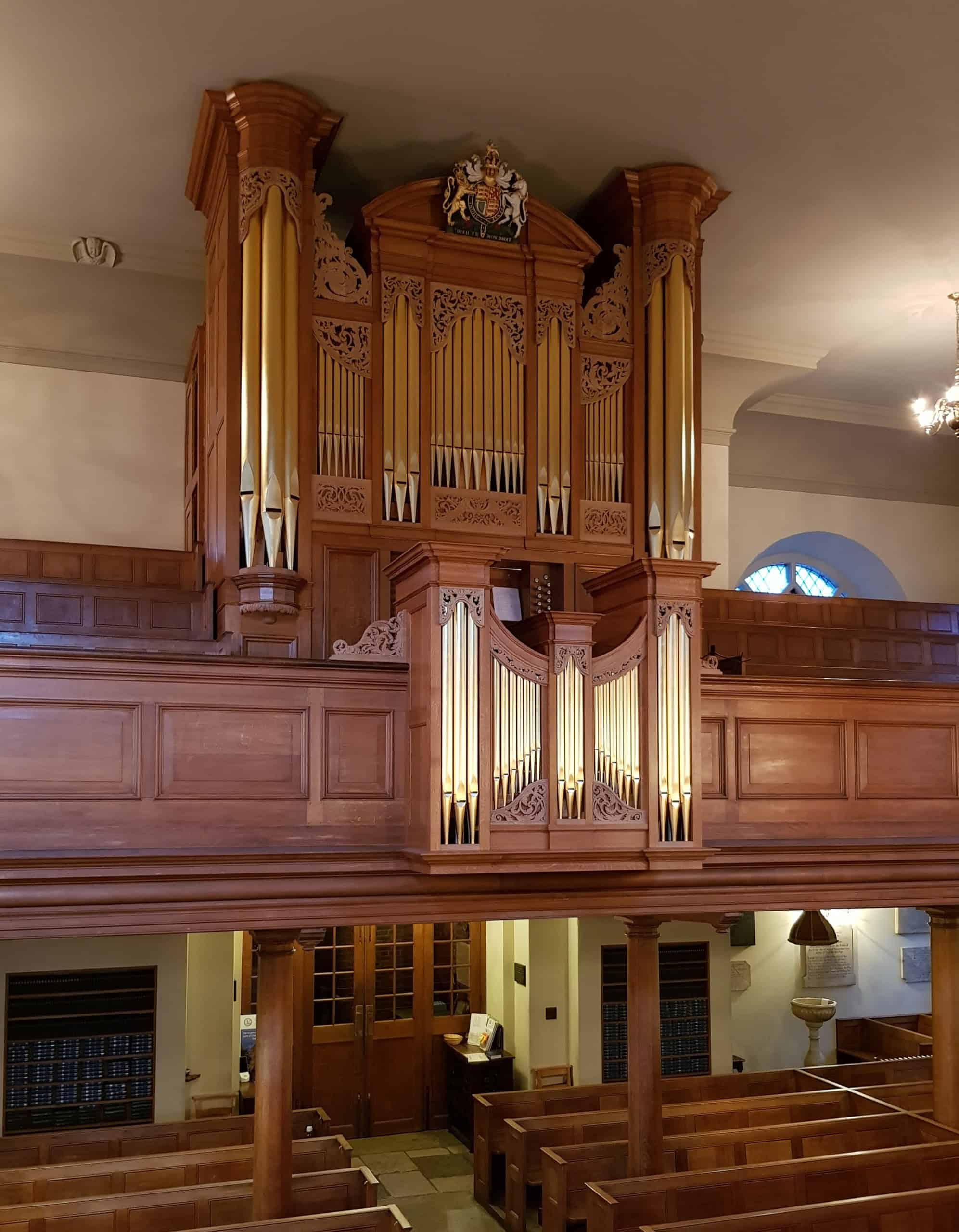
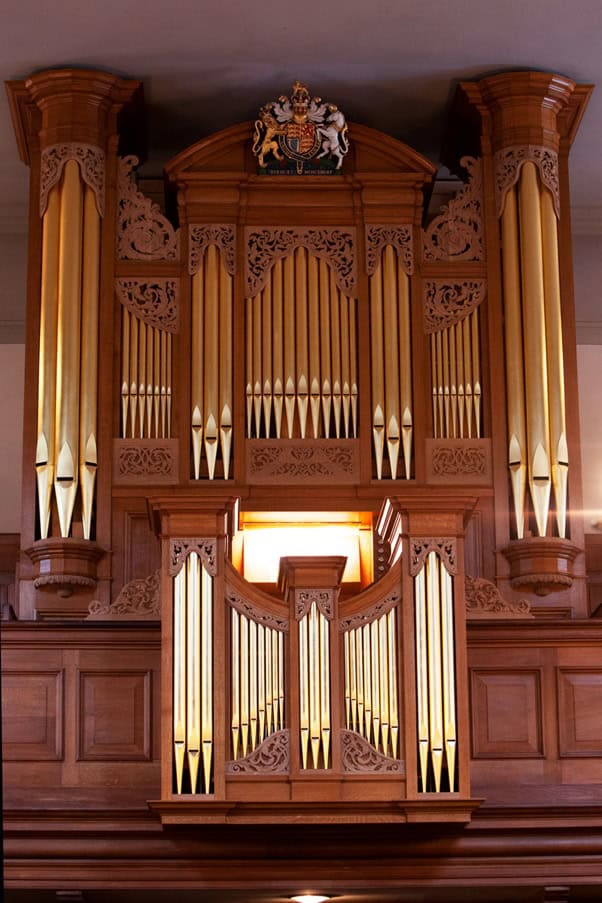
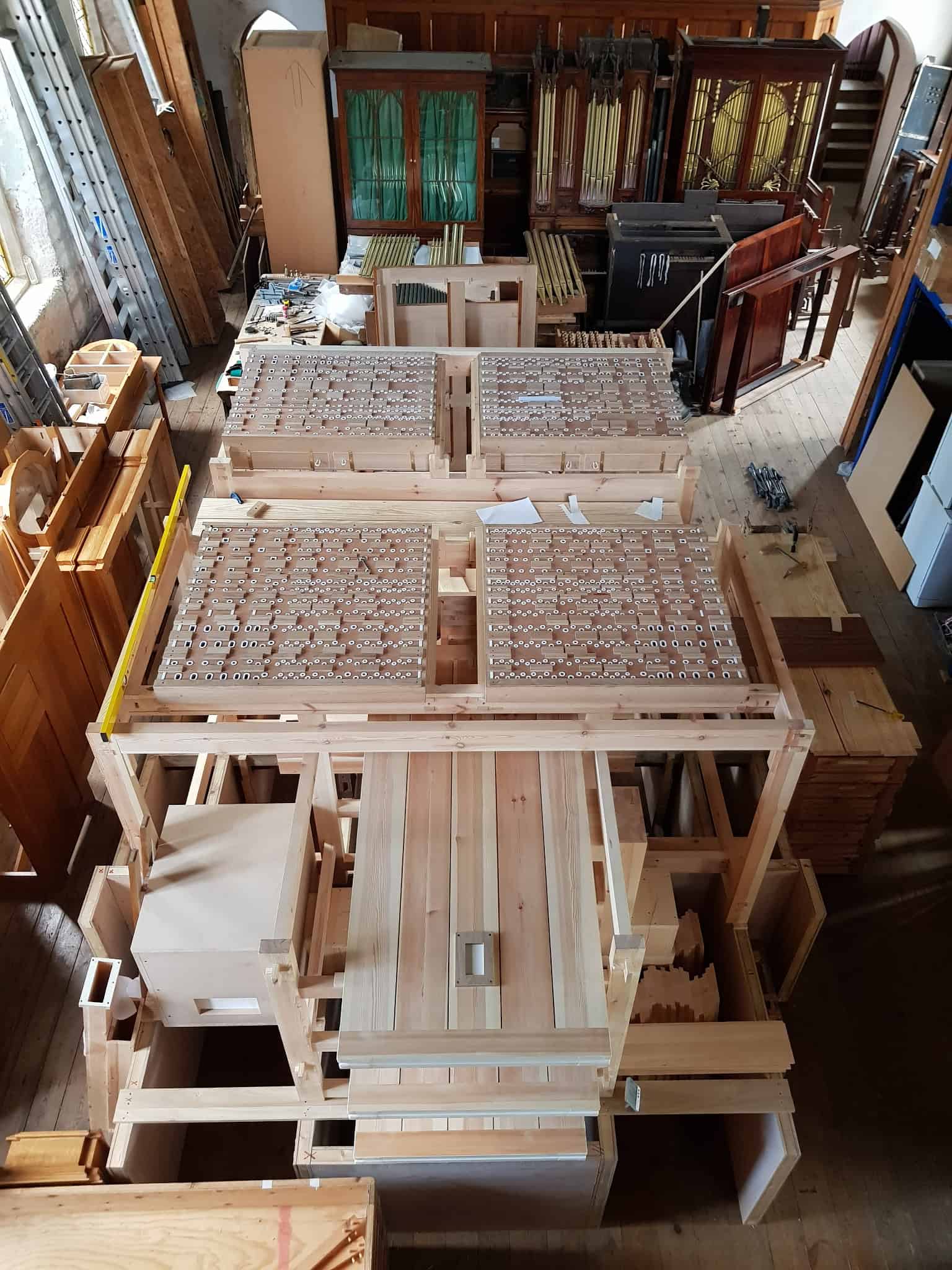
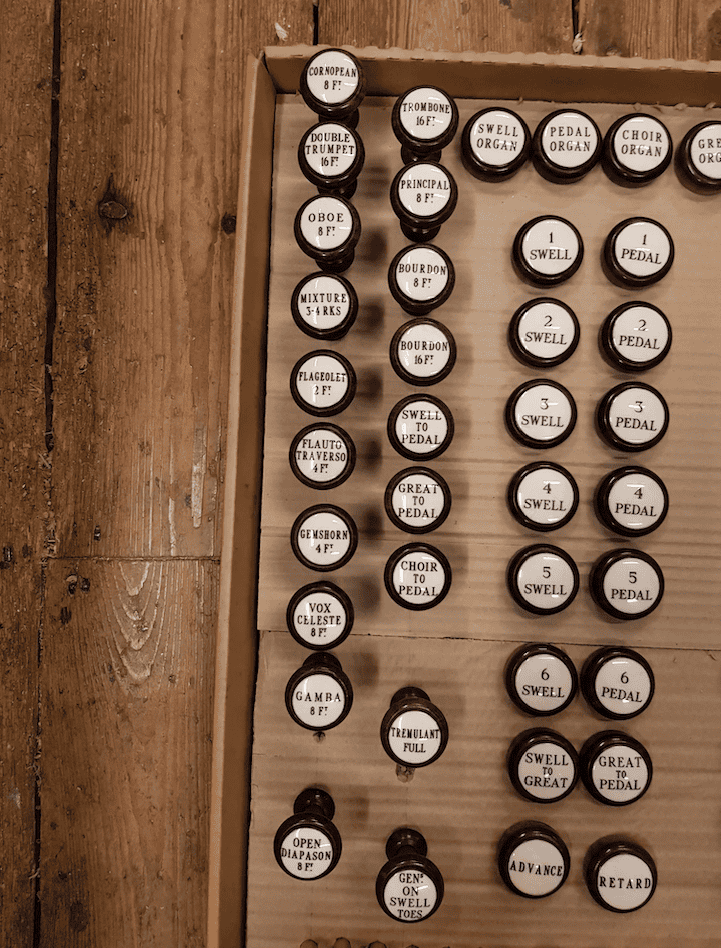
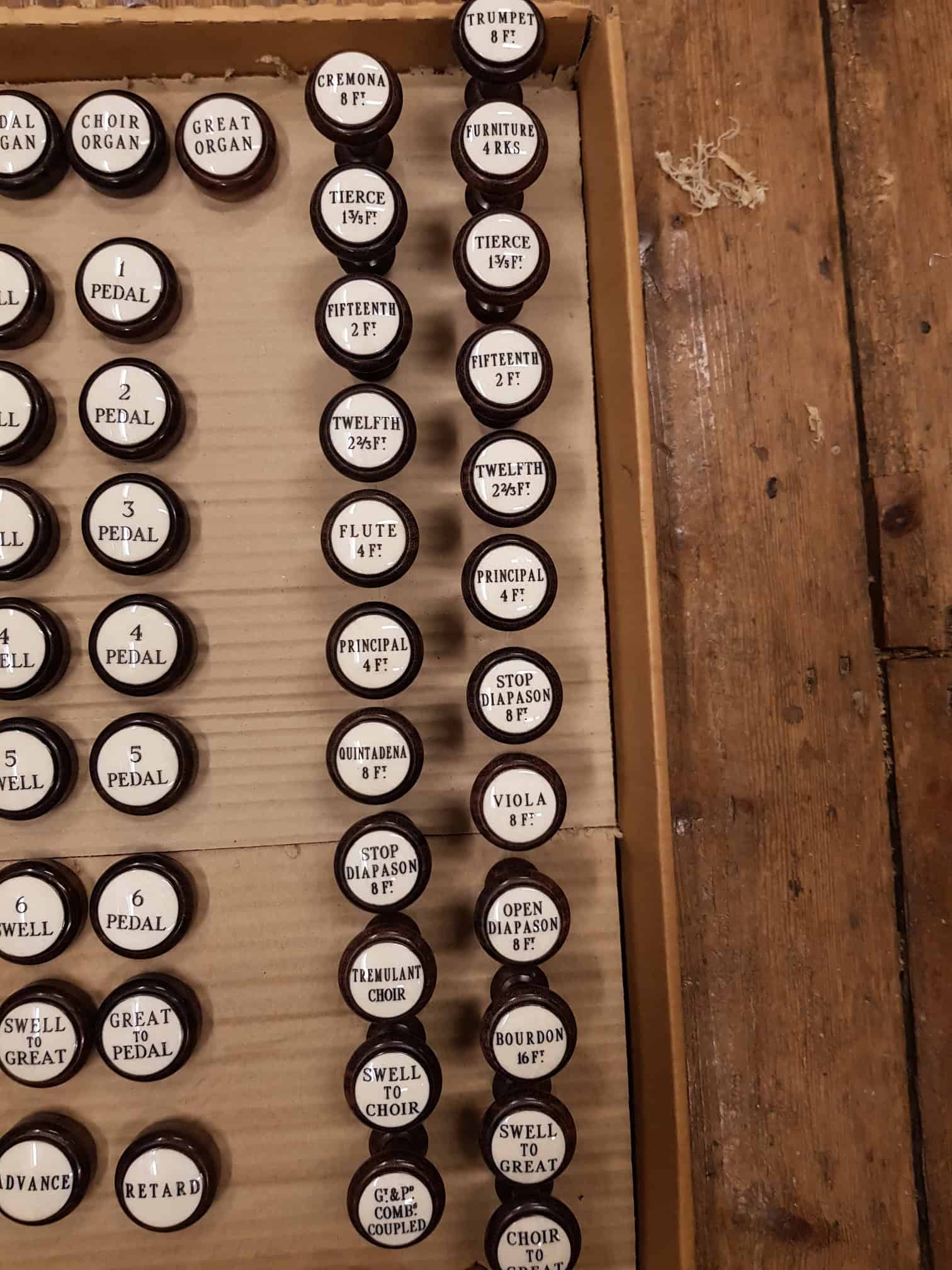
The organ of Chelsea Old Church was built as an entirely new three-manual and pedal, 33-stop organ built by William Drake Limited of Devon and completed in 2019. This organ is the fifth known to have stood in the church.
Built in the English classical tradition for which the firm has become renowned, it incorporates elements of Victorian organ building and continental influences which perfectly enable the instrument to lead worship in the Anglican tradition whilst comfortably playing the organ repertoire. The new case design was inspired by an organ once thought to be in the church in the eighteenth century.
This is our first instrument to fully embrace the need for the organ to be able to accompany music of a wide choral tradition by including string stops and a Flauto Traverso. The reeds are copies of Victorian examples of the second half of the 19th century, and the organ has a dual stop action including a stepper.
The organ was dedicated in a service of thanksgiving on November 21st 2019, attended by our patron, Lord Cadogan. The inaugural concert was given on January 19th 2022 by international organ virtuoso, Nathan Laube.
The style of the instrument is inspired by the best Victorian builders whilst keeping true to the William Drake organ building principles. The new case designed by Geert Noppers is inspired by an 18th-century organ case in Holsworthy which reputedly started life in Chelsea Old Church.
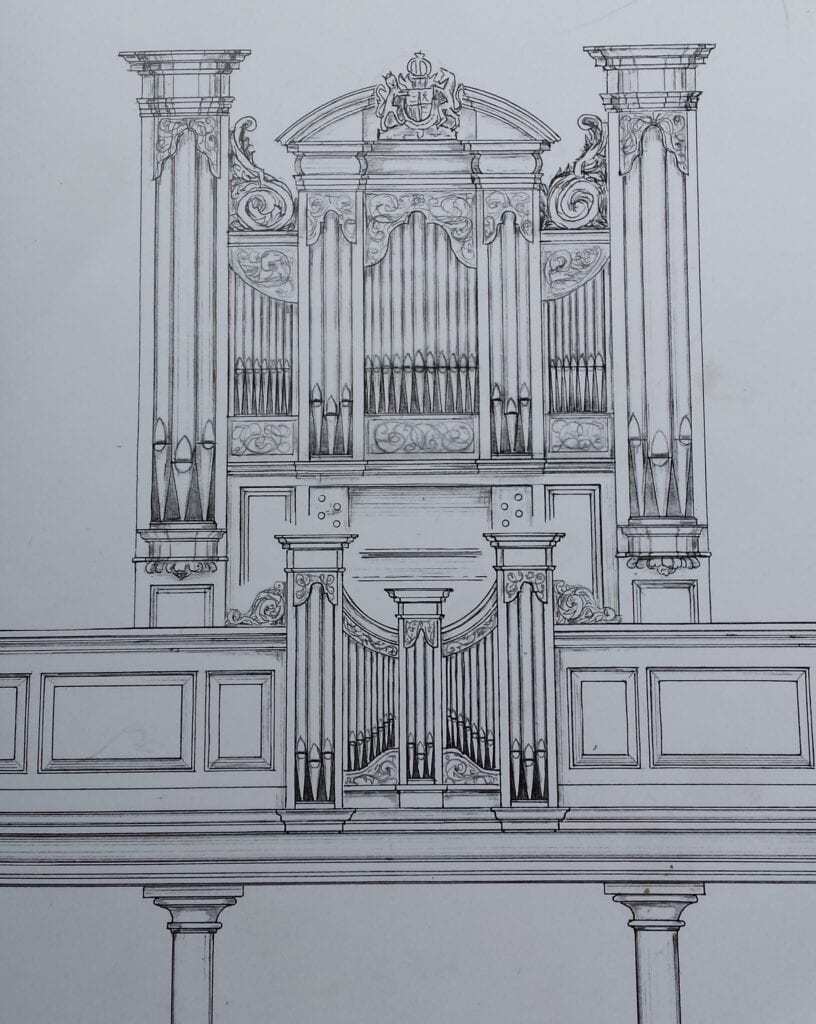

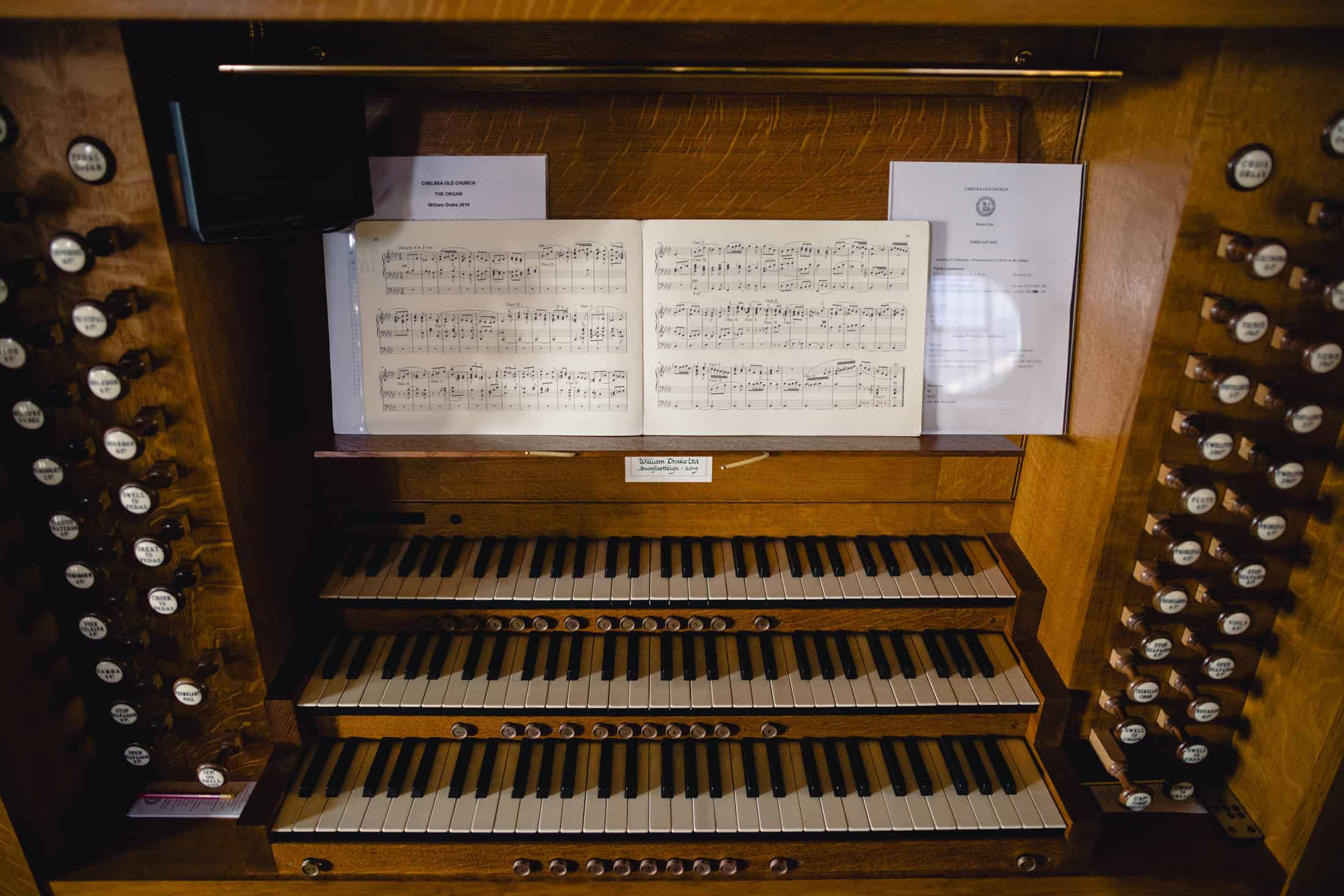
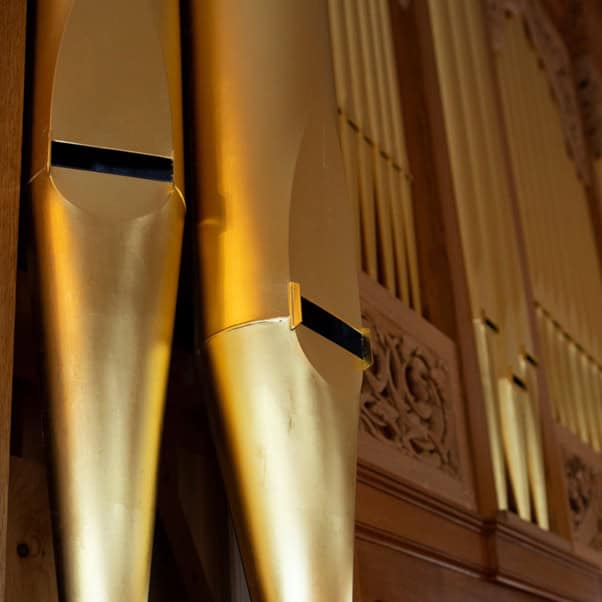

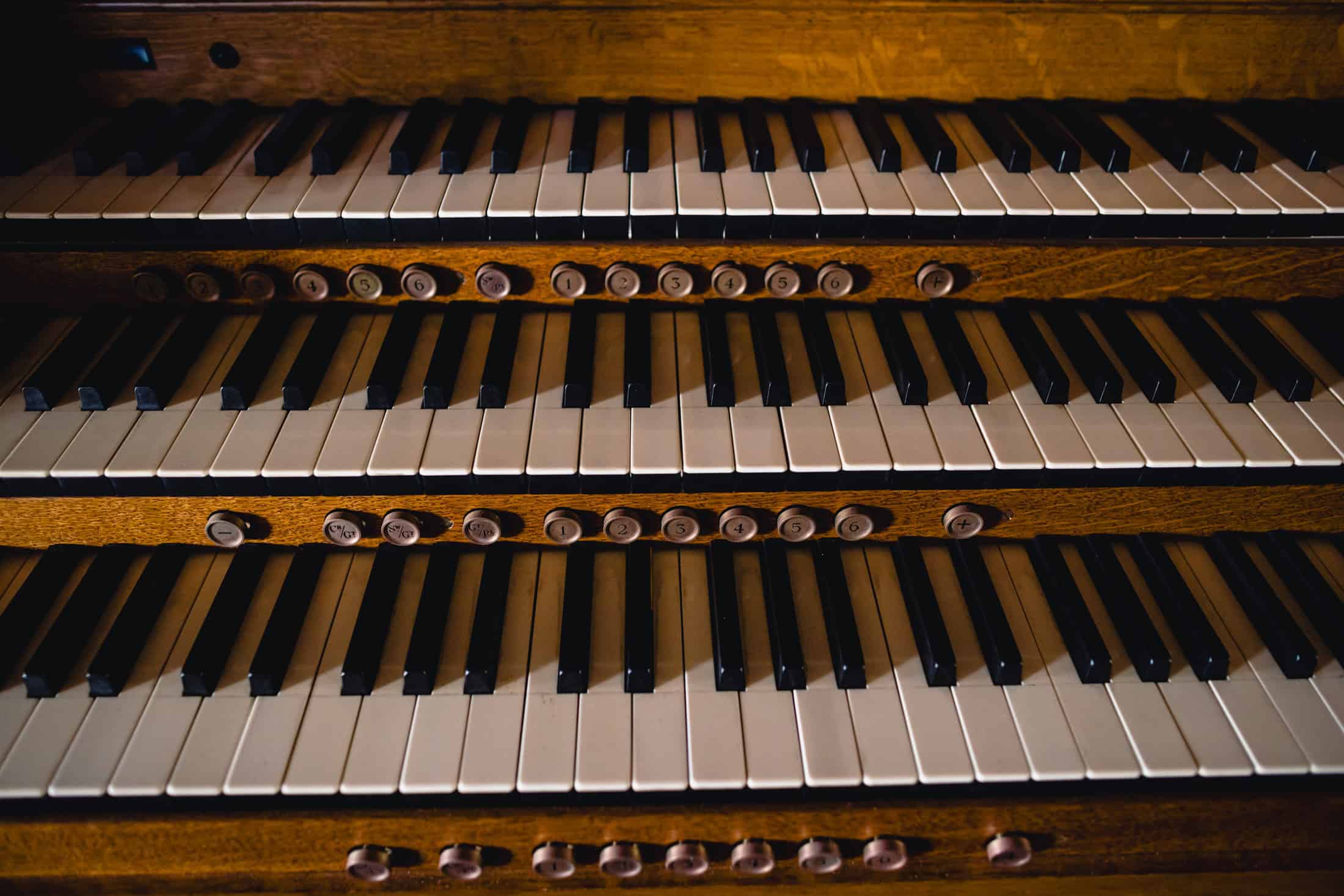
An inventory of 1549 recorded ‘a pair of organs’ (meaning an instrument with a double case) which would most likely have been removed and destroyed around the time of the English Civil War.
In 1712, the renowned organ-builder Renatus Harris installed a new organ. If it still stood today, this would be a national treasure. This organ seems to have been later removed and found its way to Holsworthy church in Devon where the case survives.
Another organ was provided by the builder Richard Bridge in 1743, but this was never granted a faculty and was also removed. This was the subject of a farce, published at the time, The Organ in the Suds.
Finally, in 1818 the Bevington firm provided an organ acquired from a private residence in Covent Garden. This may have contained pipework from an earlier instrument by another famous builder of the eighteenth century, ‘Father’ Smith. This organ was rebuilt a number of times but finally met its end when the church was bombed in the Second World War.
A replacement organ was made, as part of the church’s rebuilding, in 1957 by the now defunct firm of Frederick Rothwell & Sons. Further work was carried out by N.P. Mander in the early 1960s.
After sixty years of solid service, this instrument reached the end of its working life and the parish undertook to acquire a new organ fit to meet all the demands of a busy, modern church whilst enhancing the church’s unique architectural and historical heritage.
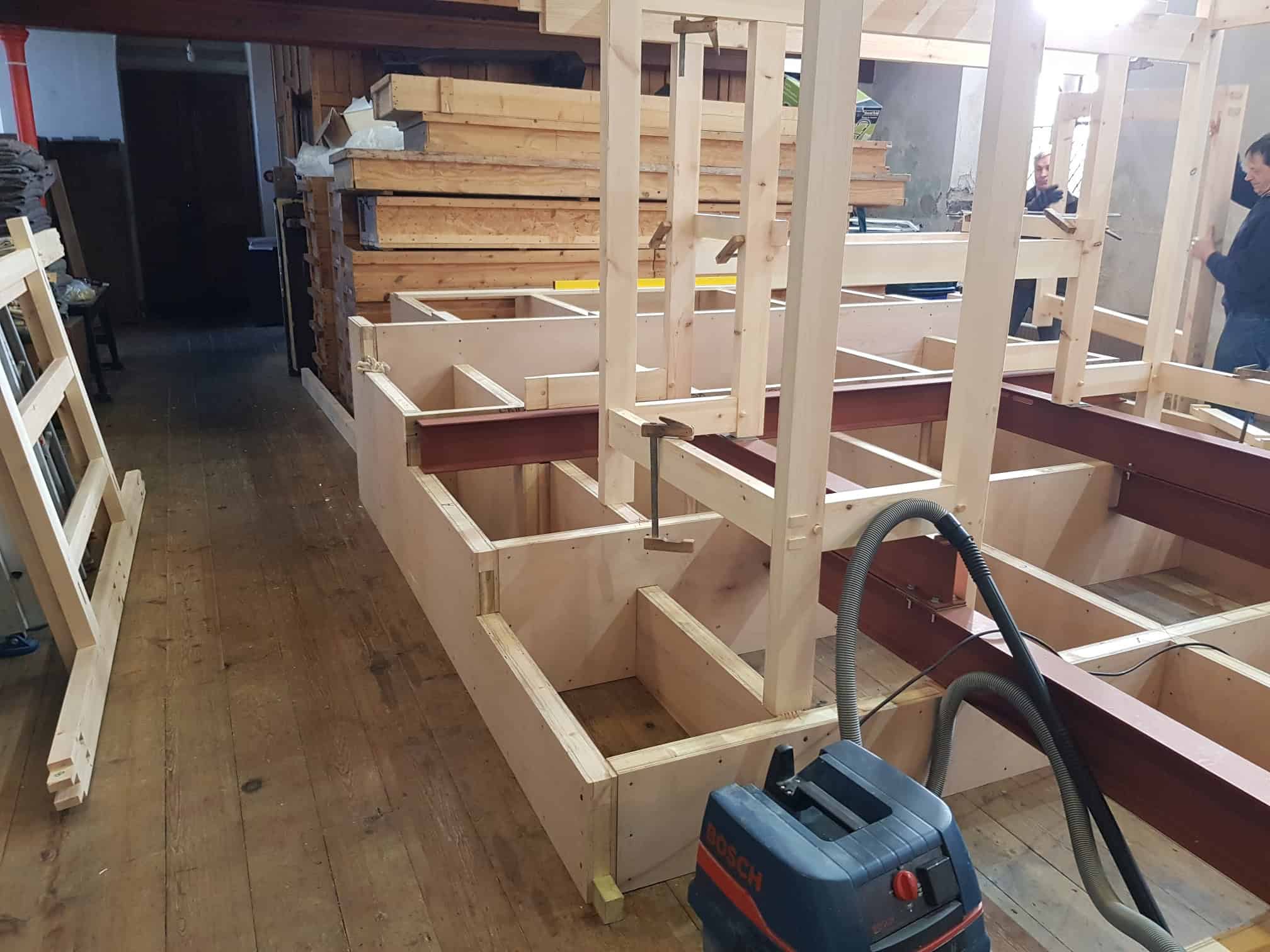
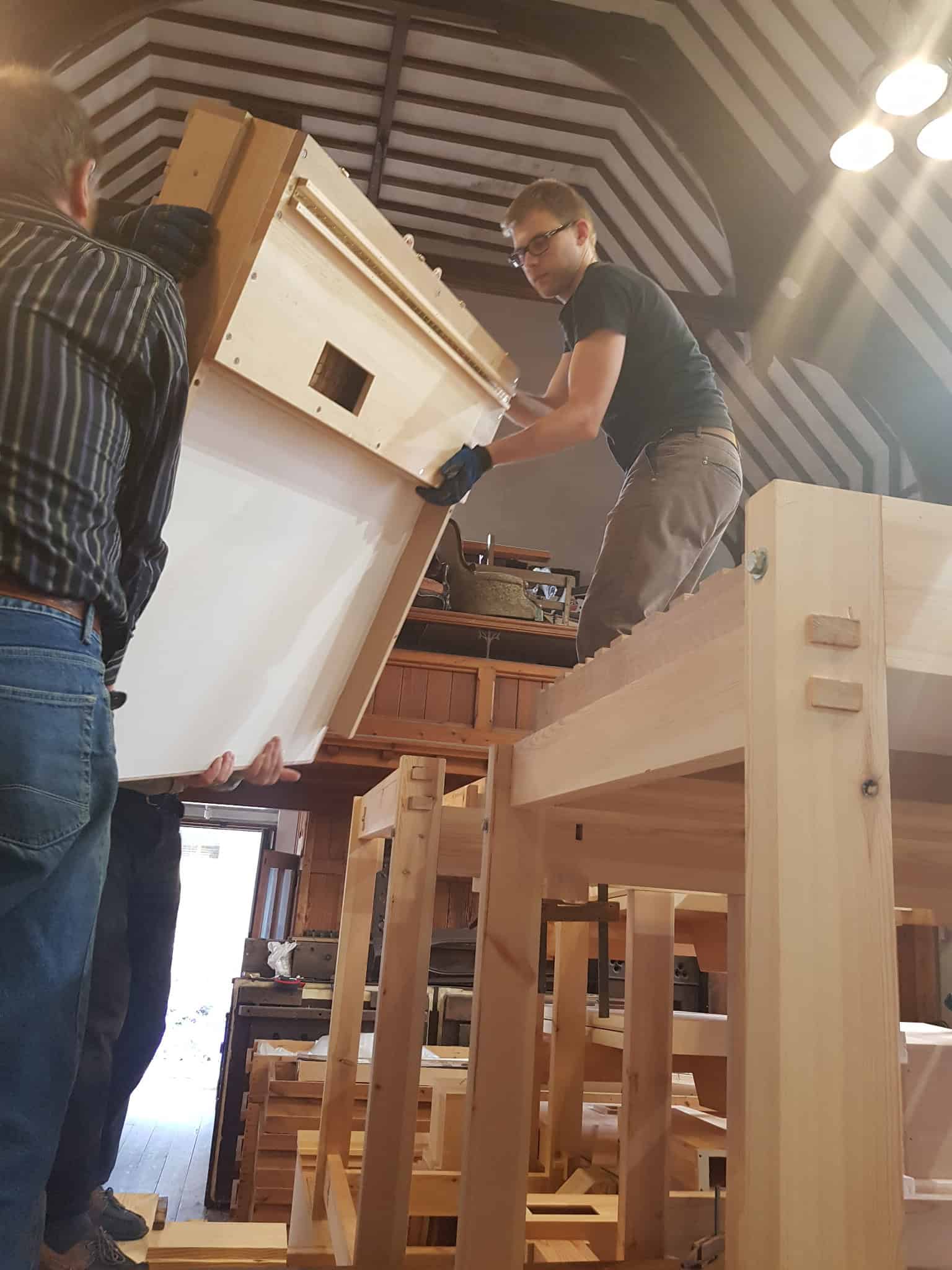
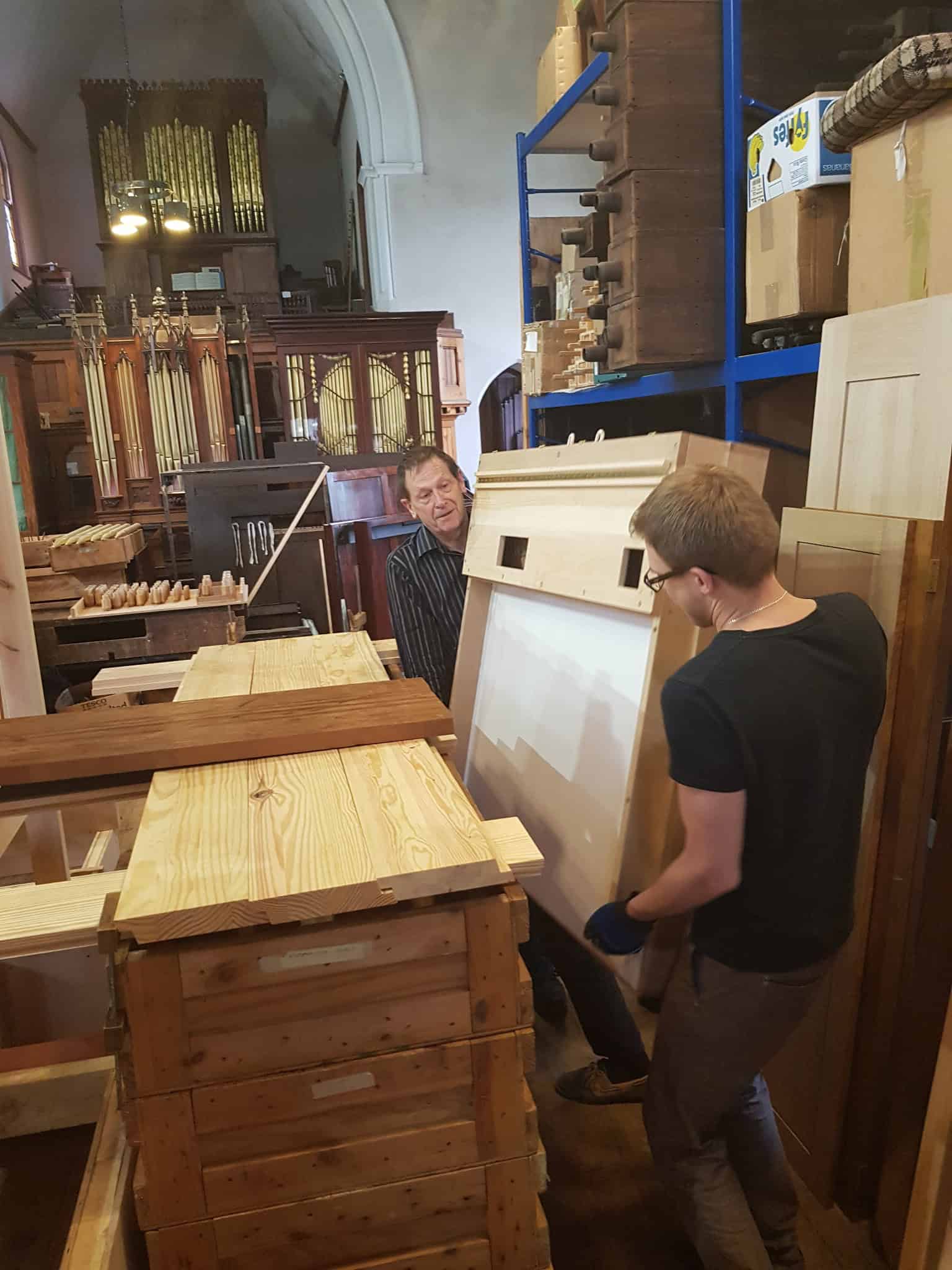
A new organ was commissioned from William Drake Limited and installation was completed in September 2019. The completely new case design incorporates elements copied from the Renatus Harris organ.
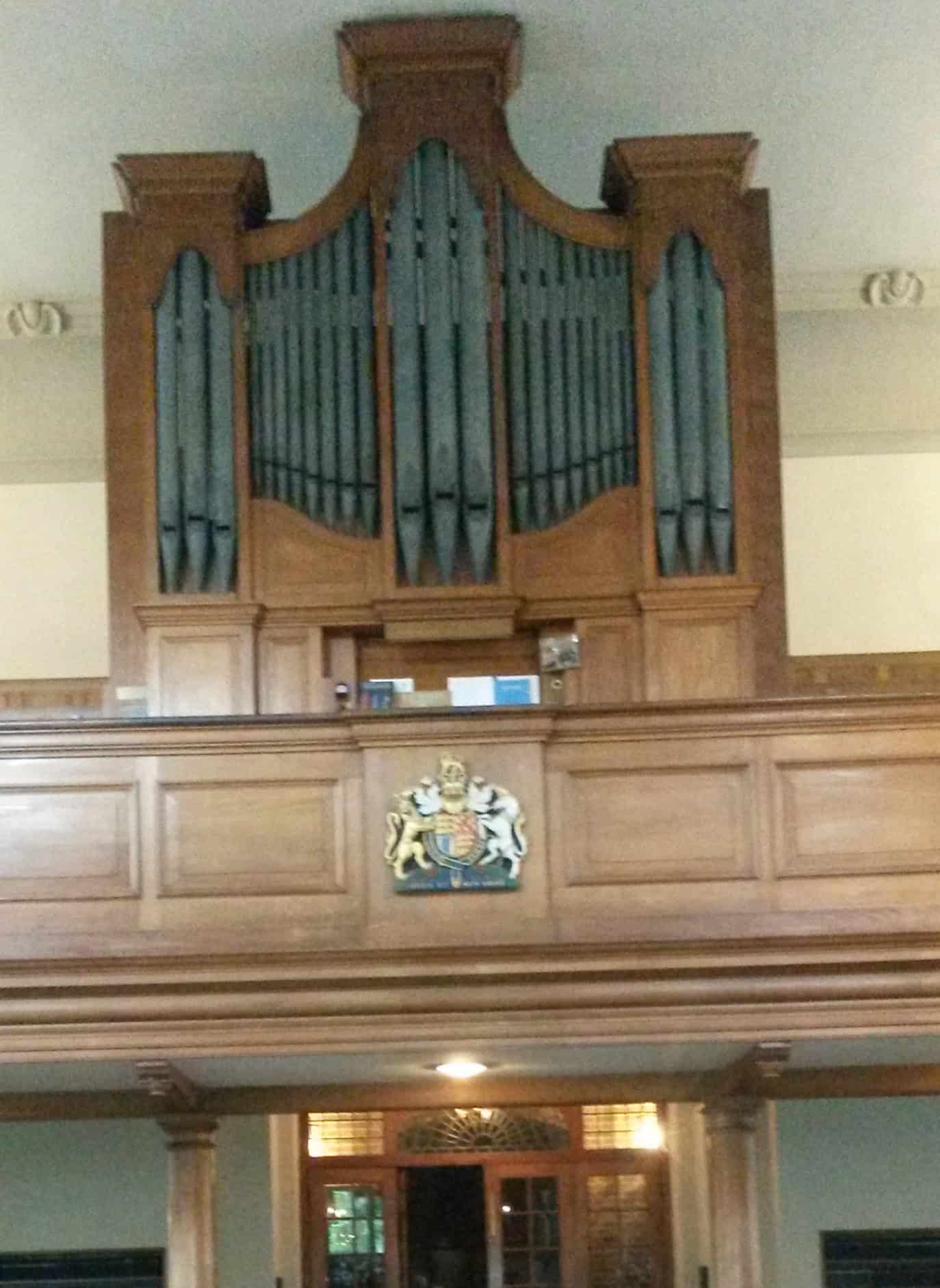
Click on the images and they will open in a new tab so you can see them with more clarity.






Click here to visit the William Drake Website