 Main Menu
There has probably been a Church on this site ever since Christianity came to England. It used to be the Parish Church of the Village of Chelsea before this village became part of London and was mentioned in a papal taxation document around 1290.
Before the war, the building consisted of the chancel, probably dating from the 13th century, with chapels on the north and south, about 1325, and the nave and tower, 1670. The cupola was removed in 1815, but the weather vane remains.
Both chapels were private property, with that on the north, now known as the Lawrence Chapel, belonging to the Lord of the Manor of Chelsea. The present arch leading from the chancel is a reproduction of the original 14th century one, which collapsed in 1784 and was only partly restored.
To the east of this arch is a squint, probably intended to enable worshippers in the chapel to see the altar, now partially obscured due to the raising of the floor of the chapel and the placing of the Bray Tomb on the north side of the chancel.
“where he might sequester himself…
and shake off the dust of earthly
businesses which otherwise
would easily defile his soul.”
The chapel on the south side was refurbished/rebuilt in 1528 by Sir Thomas More, for his private use. This date is inscribed on one of the capitals of the pillars leading to the Chancel. These capitals may have been designed by Hans Holbein the Younger, and represent the symbols of More’s offices in Church and State.
More’s great-grandson, Cresacre More, wrote of how his ancestor built himself a chapel
St Luke’s was renamed Chelsea Old Church when the new St Luke’s was built on today’s Sydney Street in 1824.
Royal Congregation
Queen Katherine Parr, twice widowed before her marriage to Henry VIII, was scholarly, a devout Protestant and fond of her step-children and therefore a suitable person to care for them. This she did while the king was alive, moving as necessary from one royal palace to another, but after the king’s death in January 1547 and the succession of Edward VI at the age of nine, she settled in Chelsea.
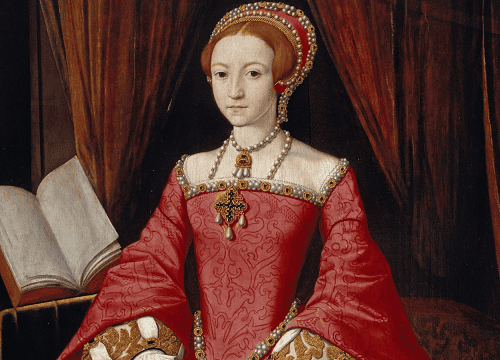
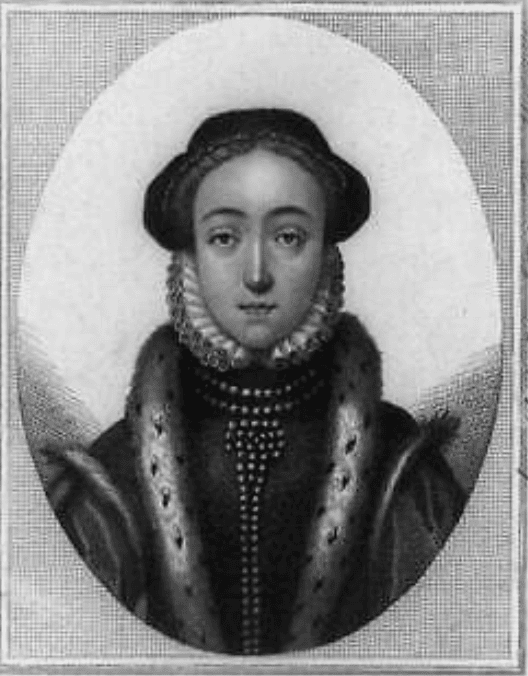
Princess Elizabeth, future queen for 45 years, thus returned, at the age of thirteen, under the guardianship of Catherine, to the house she had known earlier in her childhood. They were joined by the nine-year-old Lady Jane Grey, the future “Nine-days queen”. Catherine would undoubtedly have ensured that her two young charges accompanied her on the short walk from the Manor House to Church services.
Taken from ‘A History of Chelsea Old Church by Alan Russett and Tom Pocock’
Destruction & Reconsecration 1941-1958
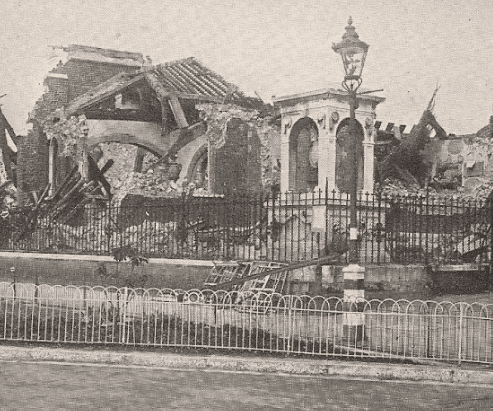
On the night of 16th-17th April 1941, a parachute landmine fell nearby and the blast blew the tower, at the west end, over onto the Church destroying most of it. The More Chapel at the east end suffered least damage. Many of the memorials were shattered but were painstakingly pieced together and can now be seen restored in the Church.
The Church was rebuilt and reconsecrated in 1958. The Vicarage and Petyt House were demolished and replaced with a new Vicarage and Church Hall, called Petyt Hall, were opened in 2002. The buildings were designed by John Simpson, who was also the architect for the King’s Gallery at Buckingham Palace.
For nine years the congregation carried on its worship in a ward of the adjoining Cheyne Hospital. In 1950, the More Chapel, with extensions, was reopened for service; the Chancel and Lawrence Chapel were restored and rededicated in May 1954; and the whole Church reconsecrated in May 1958 by the Lord Bishop of London in the presence of H.M. Queen Elizabeth the Queen Mother.

It has been said of Chelsea Old Church that it has the finest collection of church monuments outside Westminster Abbey
The Consistory Court having granted a Faculty, the Stanley monument was transferred to the Lawrence Chapel, and the More Chapel was furnished and dedicated in July 1964, bringing it back into use again as a Chapel for weekday services for probably the first time in 408 years.
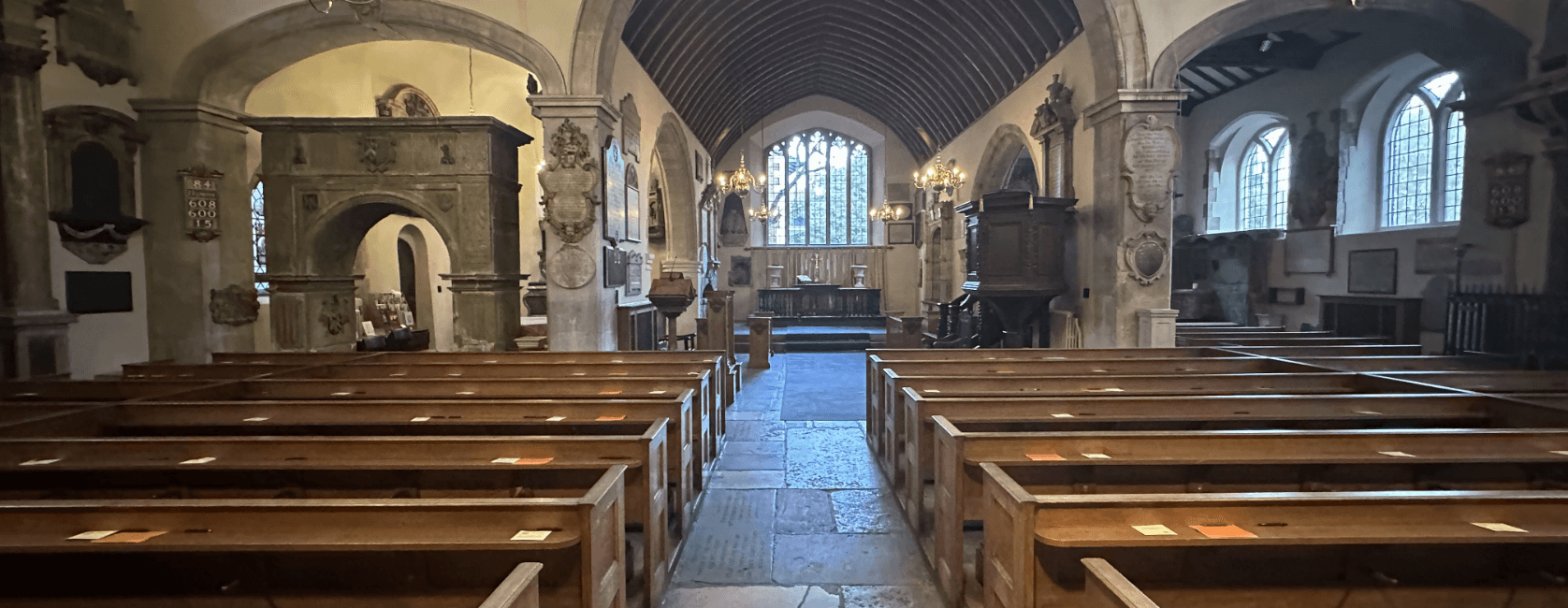
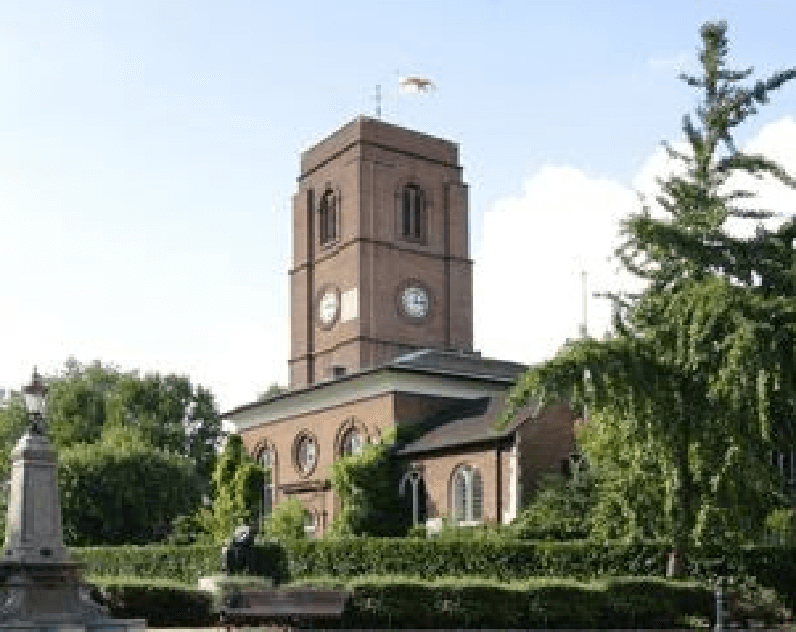
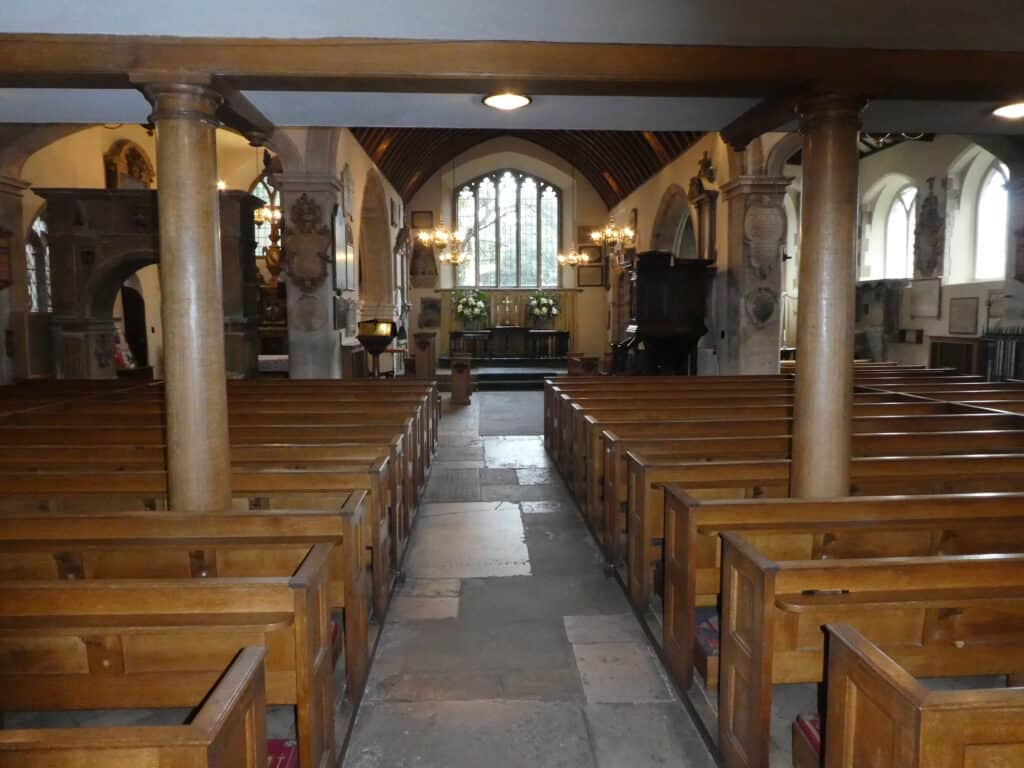
The Church has been restored in its entirety on its old foundations and looks substantially as it did before. The square Nave is built in the classical style from which the medieval Chancel and Chapels can be seen through the three arches. The King Post at the west end of the More Chapel, which had been plastered over, was revealed by the blast and has been left uncovered as an example of pre-Tudor building.
It has been said of Chelsea Old Church that it has the finest collection of church monuments outside Westminster Abbey and they are especially valued because of the painstaking reconstruction of the church after its destruction in the Second World War.
Images of the church
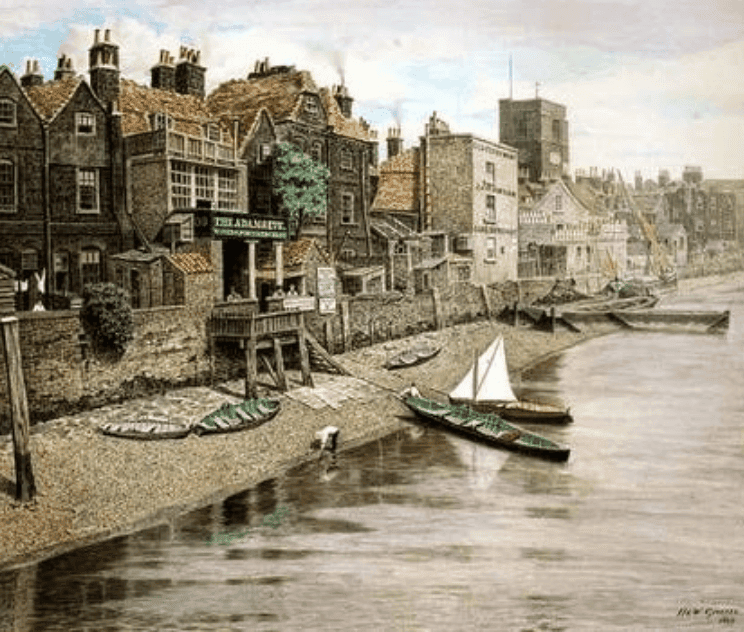
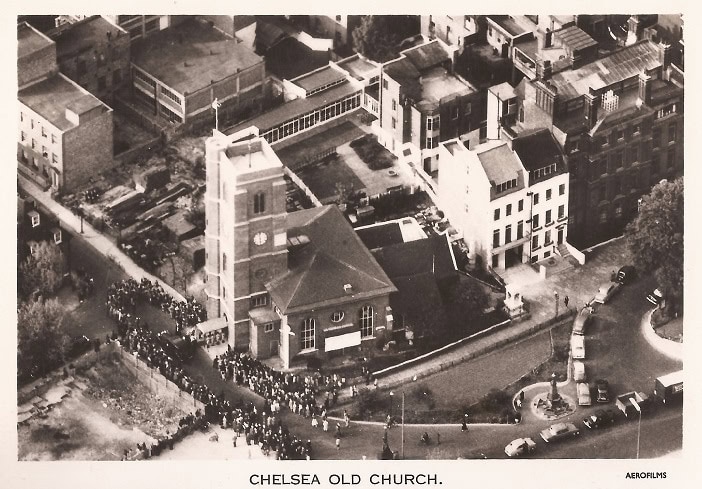
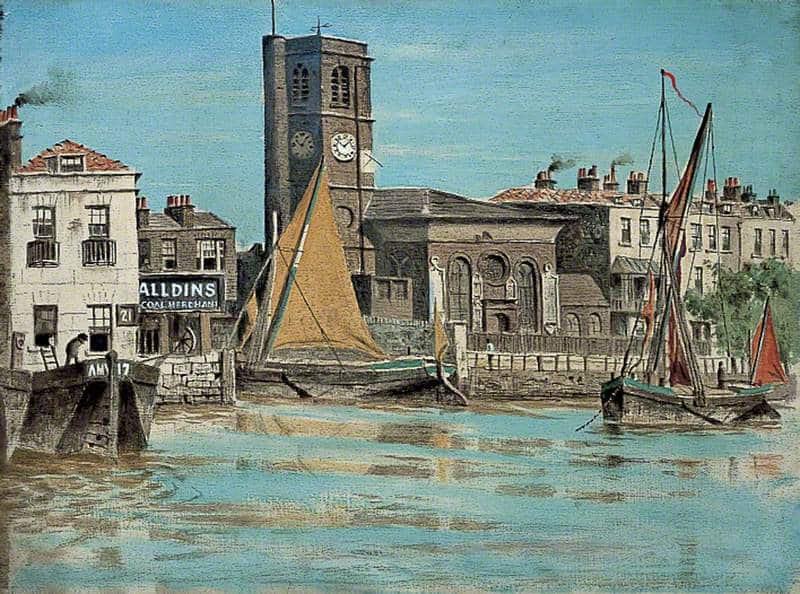
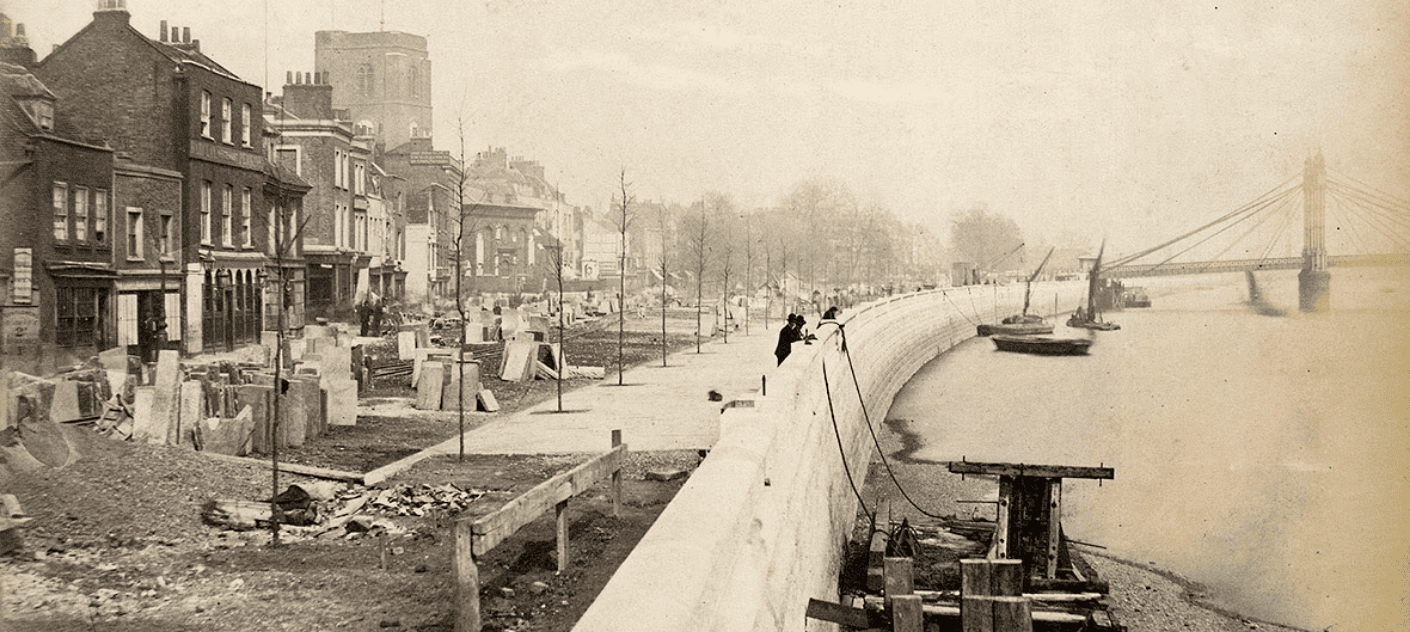
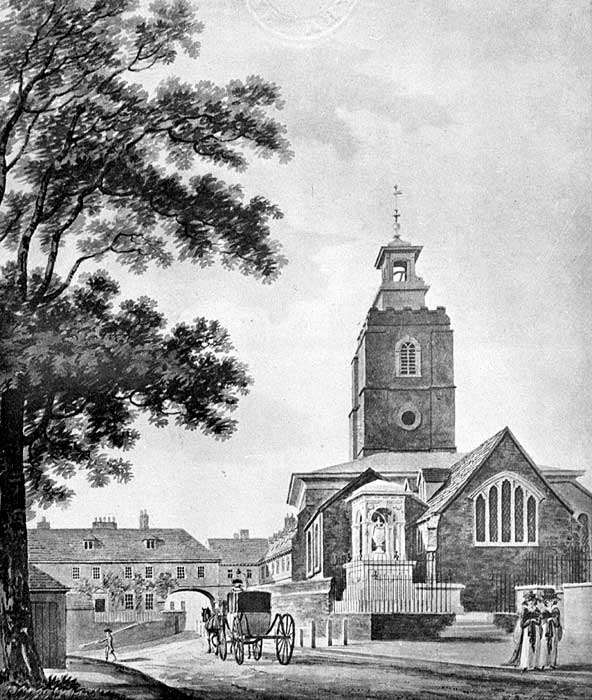
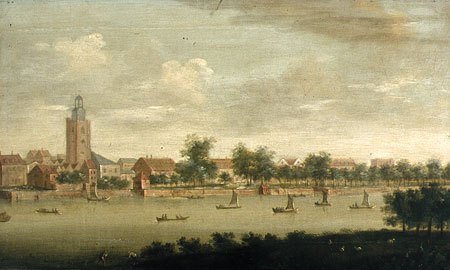
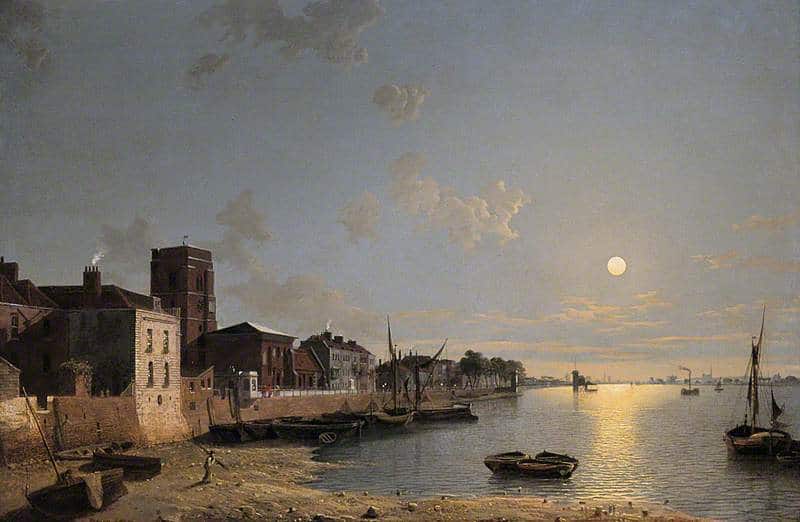
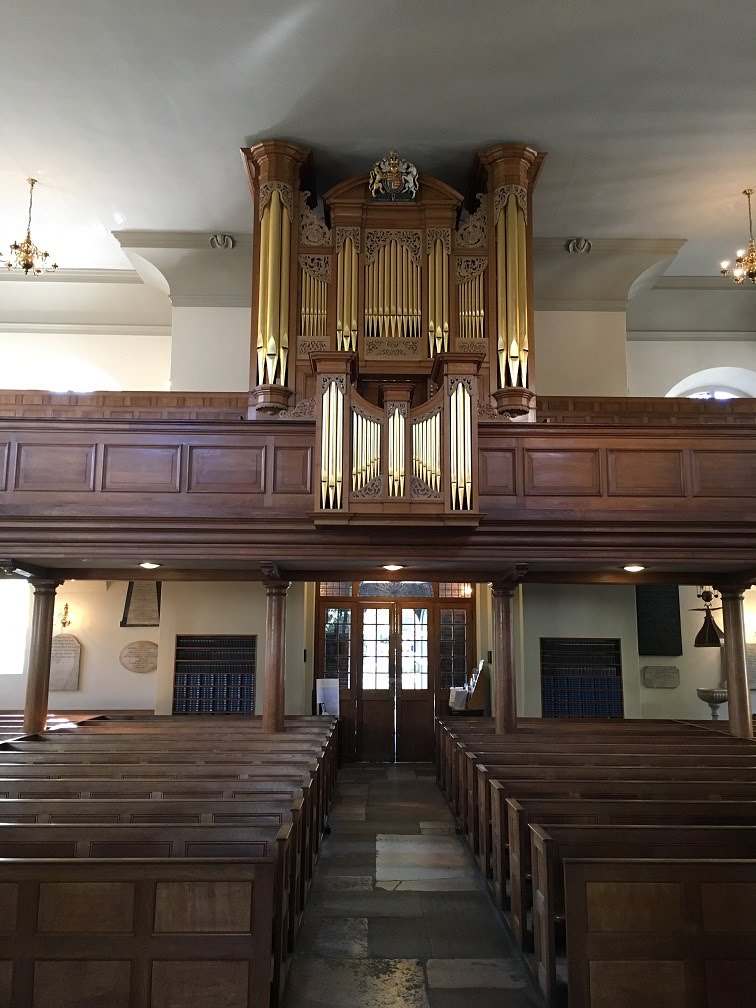
We have a large number of photographs and artwork of the church. Here is a selection, and you can find the whole archive on the Images of Chelsea Old Church page on this site. Click on an image to see a larger version
Further reading
• A description of the Church, the fittings, heraldry and monuments including those in the churchyard before their removal can be found at British History Online and the Survey of London (1924)
• There are also nearly 100 images of the Church and monuments around 1921 at British History Online
• A detailed description of the day the bomb hit in 1941 and the reconstruction of the church can be found on A London Inheritance
• An excerpt from ‘The Winter of The Bombs, The Story of The Blitz of London’ by Constantine Fitzgibbon which describes the night in detail.
excerpts from books which mention Chelsea Old Church:
Edward Walford, ‘Chelsea’, in Old and New London: Volume 5 (London, 1878)
Lysons observes that the most ancient record in which he has seen the name of this place mentioned is a charter of Edward the Confessor, in which it is written “Cealchylle.” The name seems to have puzzled the Norman scribes, for in Domesday Book it is written both “Cercehede” and “Chelched;” and in certain documents of a later date it is called “Chelcheth,” or “Chelcith.” “The word ‘Chelsey,'” observes Mr. Norris Brewer, in the “Beauties of England and Wales,” “was first adopted in the sixteenth century, and the present mode of spelling the name appears to have grown into use about a century back.” It may here be remarked that the name of Chelsea has been derived by some writers from “Shelves” of sand, and “ey,” or “ea,” land situated near the water. But Lysons prefers the etymology of Norden, who says that “it is so called from the nature of the place, its strand being like the chesel [ceosel, or cesol], which the sea casteth up of sand and pebble stones, thereof called Chevelsey, briefly Chelsey.” In like manner it may be added that the beach of pebbles thrown up by the action of the sea outside Weymouth harbour, is styled the Chesil bank. Perhaps it is the same word at bottom as Selsey, the name of a peninsula of pebbles on the Sussex coast, near Chichester.
The old (pre 1941) parish church of Chelsea, dedicated to All Saints and later St. Luke, stands parallel with the river. It is constructed chiefly of brick, and is by no means conspicuous for beauty. It appears to have been erected piecemeal at different periods, and the builders do not seem to have aimed in the slightest degree at architectural arrangement; nevertheless, though the building is sadly incongruous and much barbarised, its interior is still picturesque. The chancel and a part of the north aisle are the only portions which can lay claim to antiquity; the former was rebuilt shortly before the Reformation. The eastern end of the north aisle is the chapel of the Lawrence family, which was probably founded in the fourteenth century. The southern aisle was erected at the cost of good Sir Thomas More, who also gave the communion plate. With a forecast of the coming troubles, he remarked, “Good men give these things, and bad men will soon take them away.” At the commencement of the present century modern windows, with frames of woodwork, were introduced. These, it need hardly be said, in no way improved the already mean appearance of the fabric. More’s chapel, which was an absolute freehold, and beyond the control of the bishop, was allowed to fall into a very dilapidated condition; but it has recently been purchased by a Mr. R. H. Davies, who has transferred it to the rector, churchwardens, and trustees of the new church of St. Luke, under whose charge the old parish church is placed; and it has since been partially restored. The church was considerably enlarged in the middle of the seventeenth century, at which time the heavy brick tower at the west end was erected.
Edward Walford, ‘Chelsea’, in Old and New London: Volume 5 (London, 1878)
Extract from “Chelsea Old Church” by Rev Davies
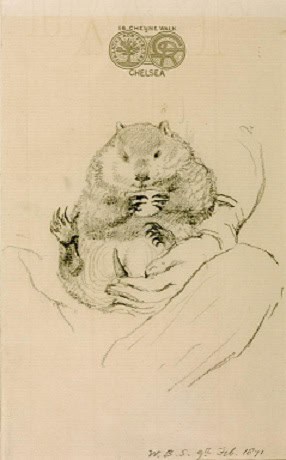
Rossetti donated to the Church restoration fund. Though Rossetti’s art would not naturally, perhaps, appeal to an Evangelical clergyman, uninitiated in Pre-Raphelitism, Rosetti’s wild animals, which now and again excited some apprehension in the minds of his Cheyne Walk neighbours, would have furnished fitting topics of conversation.
By the boatmen, bargees and good many belonging to the riverside neighbourhood, Rossetti was chiefly known as the owner of a menagerie. It is difficult to say how much truth there was in the tales which gained currency as to his habit of walking about after dusk, leading a bear, or of his keeping a giraffe in the house, etc. Drawing of wombat on Rossetti’s lap by W B Scott
But it is a fact that Rossetti once wrote a letter to the Cheyne Walk residents to warn them not to allow any small children out alone in the gardens at the rear of their houses, because a rather ’rampagious’ racoon has escaped. The letter contained the request that everybody should set traps for the creature, baited with large pieces of raw meat, or they would be useless. Night after night these suggestions were followed but in vain. No animal was captured but some weeks later a sweep discovered the creature in a torpid state in the chimney of a neighbouring house
After the Blitz
For 9 years the congregation carried on its worship in a ward of the adjoining Cheyne Hospital. In 1950 the More Chapel, with extensions, was reopened for service; the Chancel and Lawrence Chapel were restored and rededicated in May 1954; and the whole Church reconsecrated in May 1958 by the Lord Bishop of London in the presence of H.M. Queen Elizabeth the Queen Mother.
The Consistory Court having granted a Faculty, the Stanley monument was transferred to the Lawrence Chapel, and the More Chapel was furnished and dedicated in July 1964, being thus brought into use again as a Chapel for weekday services for probably the first time in 408 years. More’s great-grandson, Cresacre More, wrote of how his ancestor built himself a chapel
“where he might sequester himself…and shake off the dust of earthly businesses which otherwise would easily defile his soul.”
The Church has been restored in its entirety on its old foundations and looks substantially as it did before, with its square Nave built in the classical style from which the medieval Chancel and Chapels can be seen through the three arches. The King Post at the West end of the More Chapel, which had been plastered over, was revealed by the blast and has been left uncovered as an example of pre-Tudor building.
It has been said of Chelsea Old Church that it has the finest collection of church monuments outside Westminster Abbey and they are especially valued because of the painstaking reconstruction of the church after its destruction in the Second World War.