 Main Menu
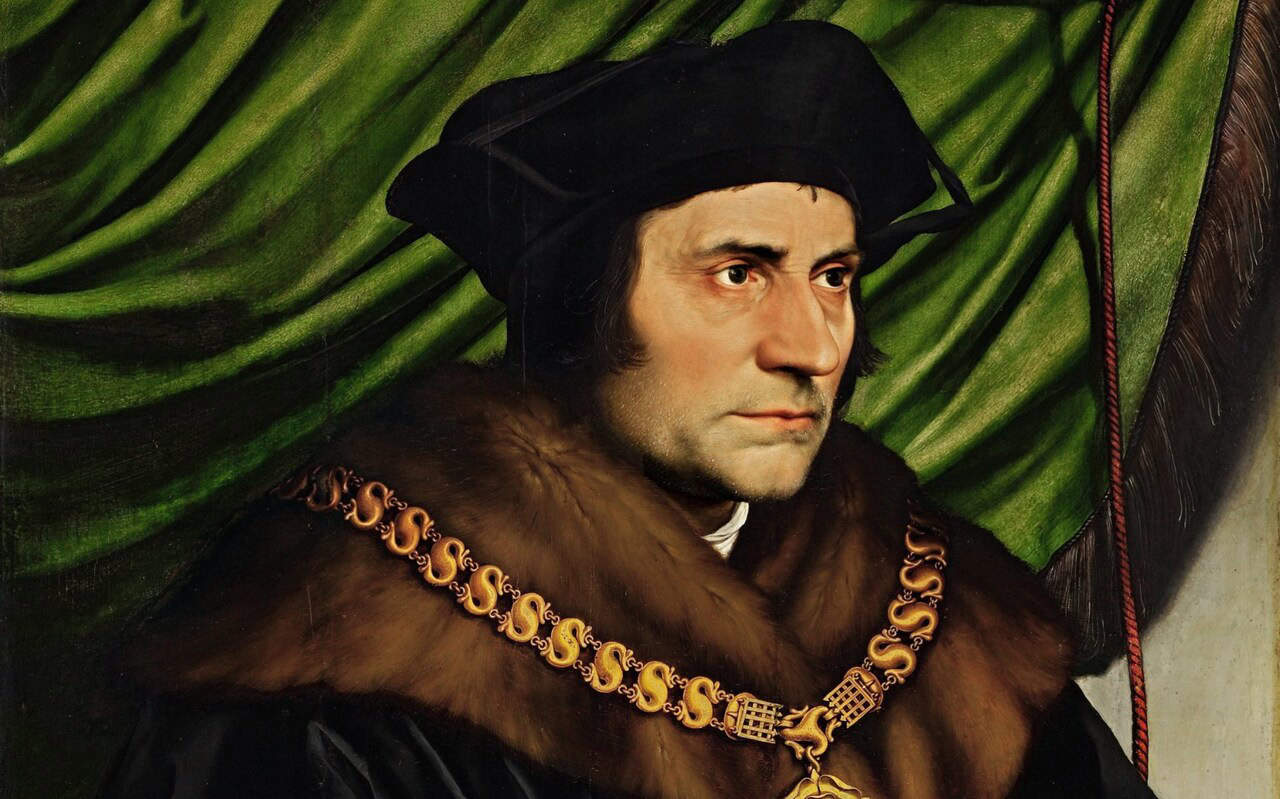
Sir Thomas More is an important historical figure, but also an important part of the history of Chelsea Old Church.

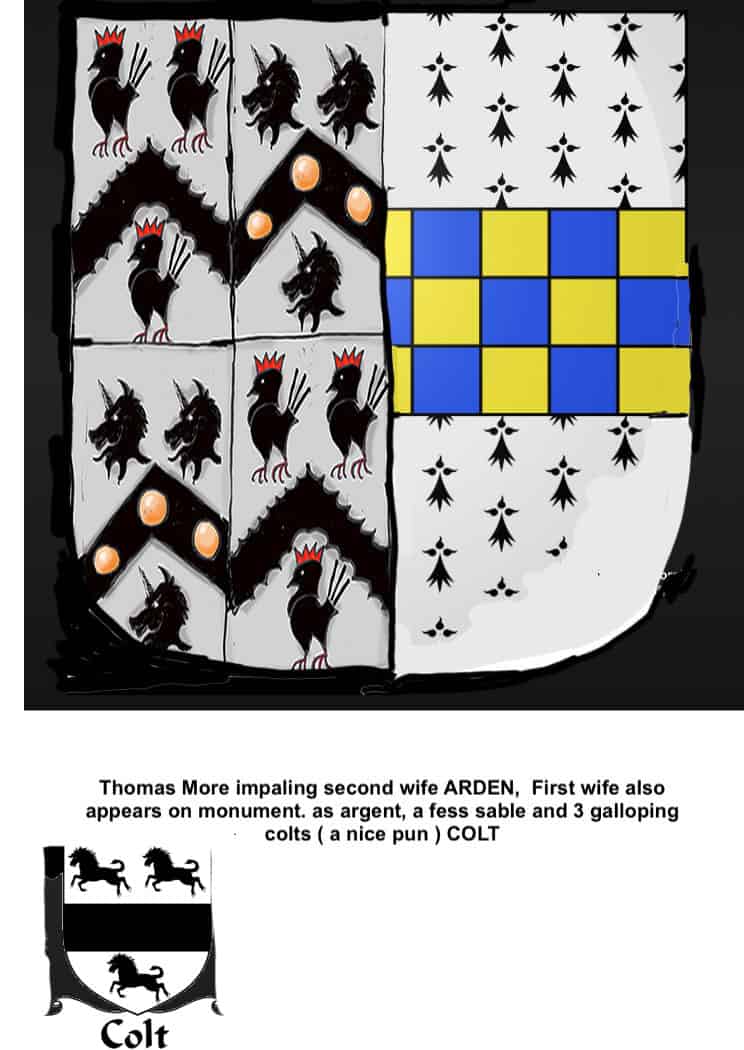
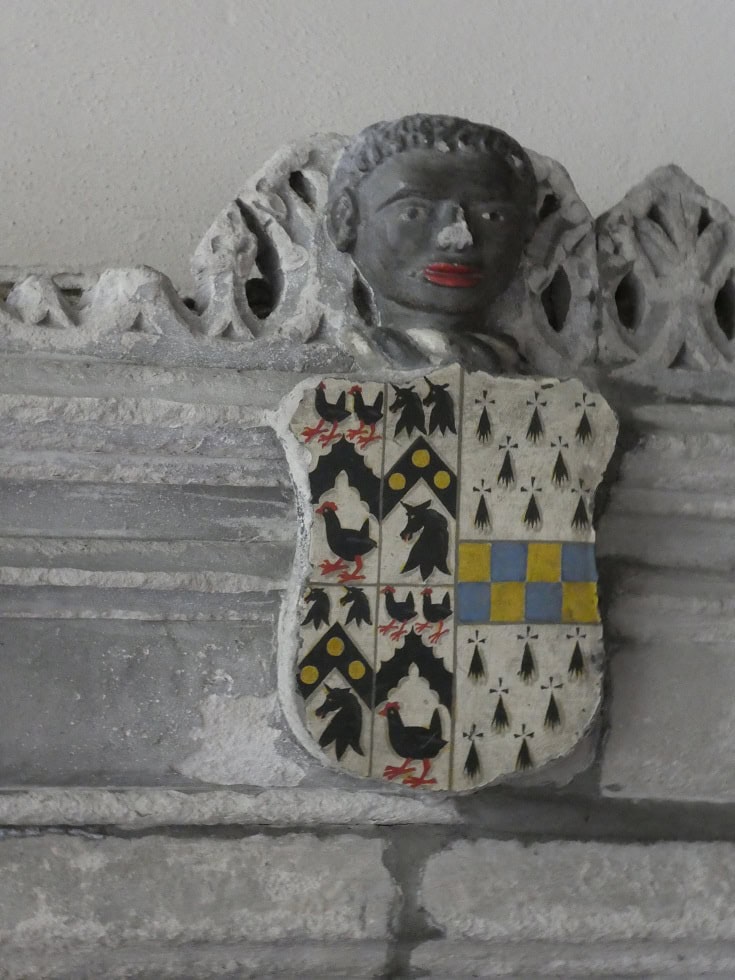
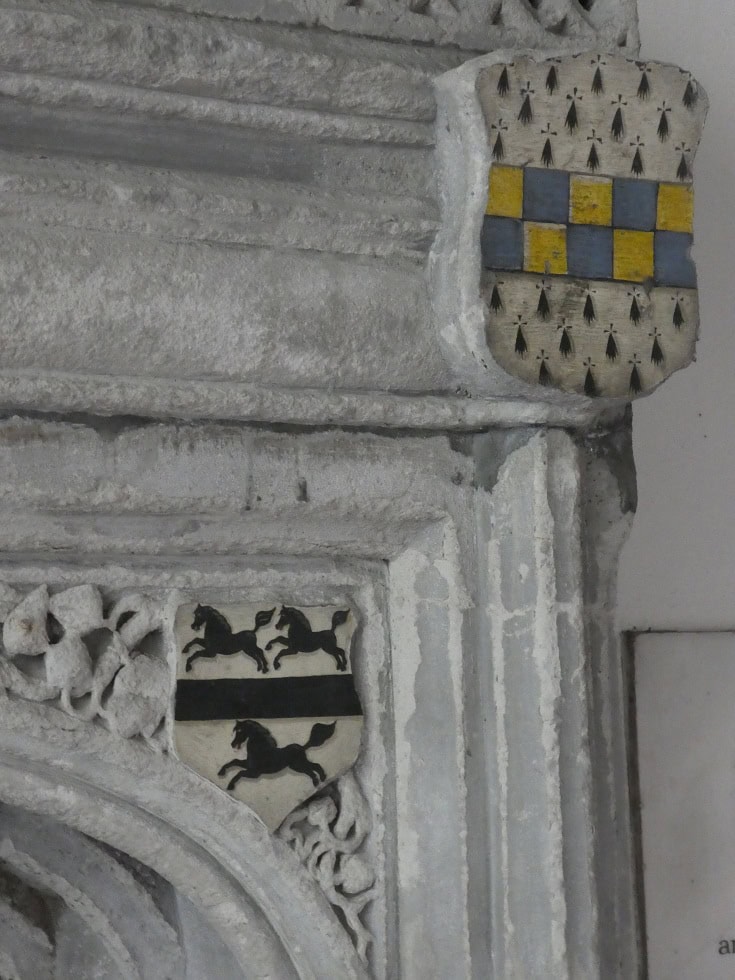
Sir Thomas More settled in Chelsea in about 1520 and built himself a house. Beaufort House stood on the site of the present Beaufort Street. The house was in formal grounds which stretched down to the river, where his barge was moored to take him to Westminster or Hampton Court on state business. No traces of the house remain, other than parts of the original orchard wall, which now border the gardens of the houses on the west side of Paultons Square and a mulberry tree which Sir Thomas is thought to have planted because of its Latin name – Morus. In a similar vein his coat of arms has six moorcocks.
Sir Thomas rebuilt one of the chapels in the Old Church when he moved to Chelsea and his association with the church was close and devout. He and his family worshipped there regularly. Sir Thomas usually attended Divine service on Sundays and very often assisted at the celebration of mass. The Duke of Norfolk coming one day to dine with him during his chancellorship, found him in church with a surplice on, and singing in the choir. “God’s body, my Lord Chancellor!” said the duke, as they returned to his house. “What! A parish clerk! A parish clerk! You dishonour the king and his office.” “Nay,” said Sir Thomas, “you may not think your master and mine will be offended with me for serving God, his master, or thereby count his office dishonoured.”
Henry VIII, to whom More owed his rise and fall, frequently came to Chelsea, and spent whole days in the most familiar manner with his learned friend. And “It is supposed,” says Faulkner, in his “History of Chelsea”, “that the king’s answer to Luther was prepared and arranged for the public eye, with the assistance of Sir Thomas, during these visits”.
Hoddesdon, in his “History of More”, says,
“He seldom used to feast noble men, but his poor neighbours often, whom he would visit in their houses, and bestow upon them his large liberality—not groats, but crowns of gold—even more than according to their wants. He hired a house also for many aged people in Chelsea, whom he daily relieved, and it was his daughter Margaret’s charge to see them want nothing; and when he was a private lawyer he would take no fees of poor folks, widows, nor pupils.”
After his beheading his body was buried at the Tower of London, in the chapel of St Peter ad Vincula in an unmarked grave. His head was fixed upon a pike over London Bridge, after a month his daughter rescued it.
The skull is believed to rest in the Roper Vault of St Dunstan’s Church, Canterbury, though some researchers have claimed it might be within the monument Roper erected for More in Chelsea Old Church. The evidence, however, seems to be in favour of its placement in St Dunstan’s, with the remains of his daughter, Margaret Roper, and her husband’s family, whose vault it was.
According to Kautsky, More’s ideas in his book Utopia may be regarded as “the foregleam of Modern Socialism”. At the time of the Bolshevik Revolution in Russia, Lenin himself suggested that More be included in a monument that was erected in Alekandrovsky Gardens in Moscow to honour great Western thinkers .
More was canonised in 1935 and in 1980 was added as martyr of the reformation to the Church of England’s calendar of “Saints and Heroes of the Christian Church”.
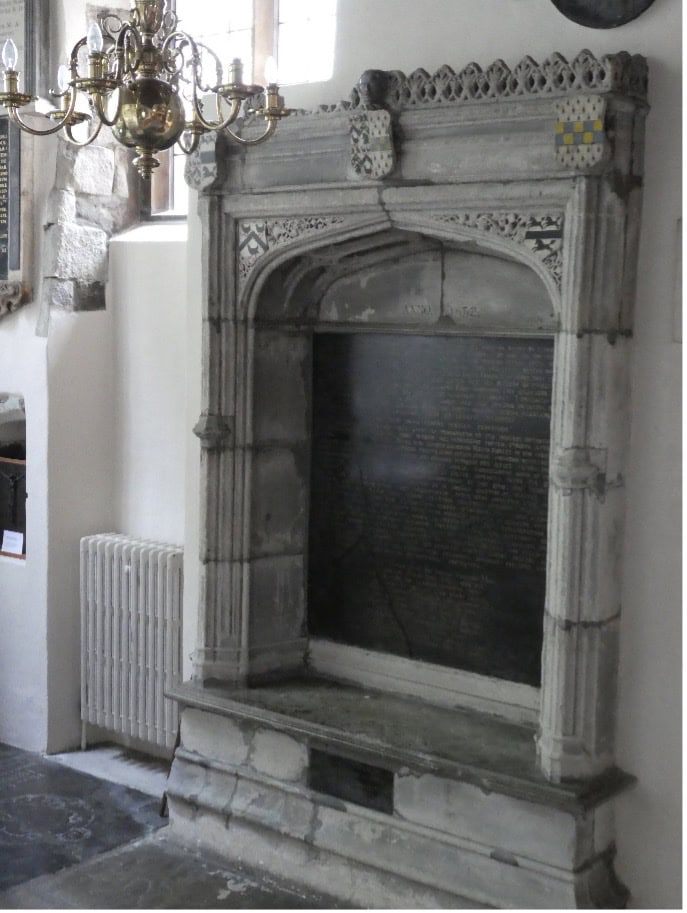
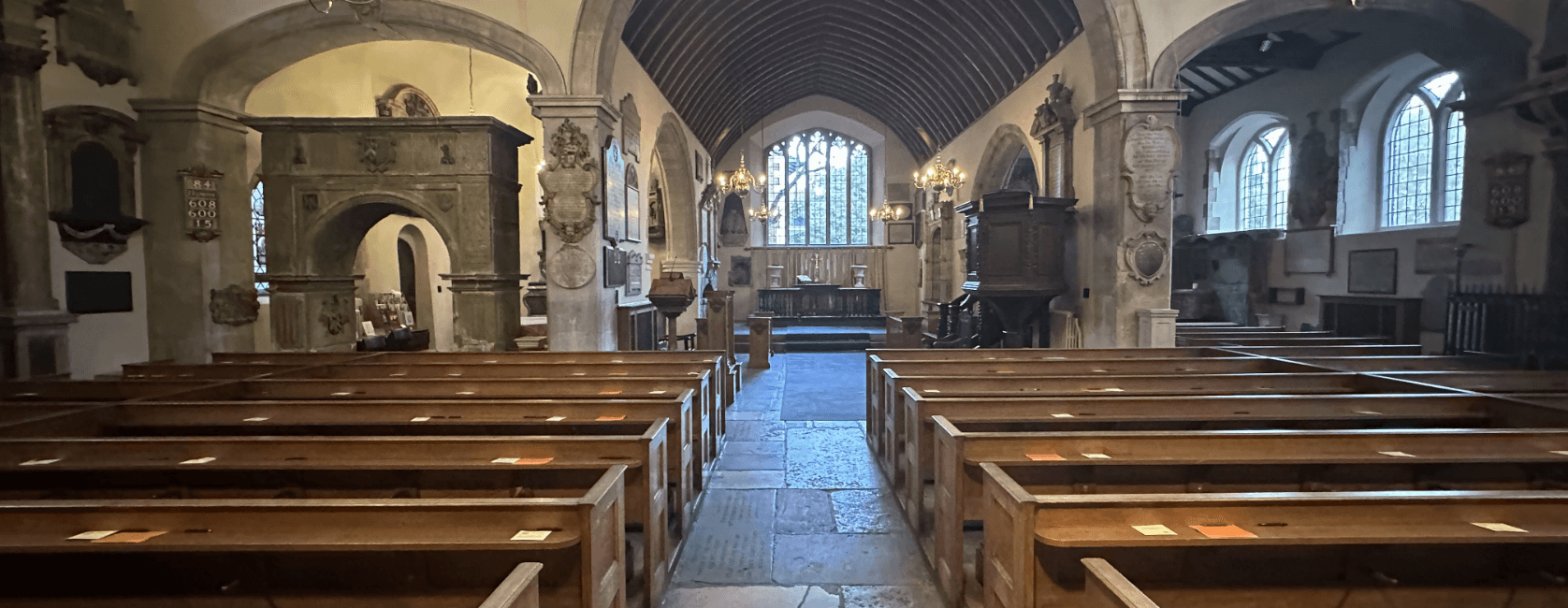
Chelsea Old Church was largely destroyed an an air-raid in 1941 and subsequently restored in 1949/1950. However, despite considerable damage to the church, the More Chapel and Monument were rescued almost intact.
The Statue of Thomas More
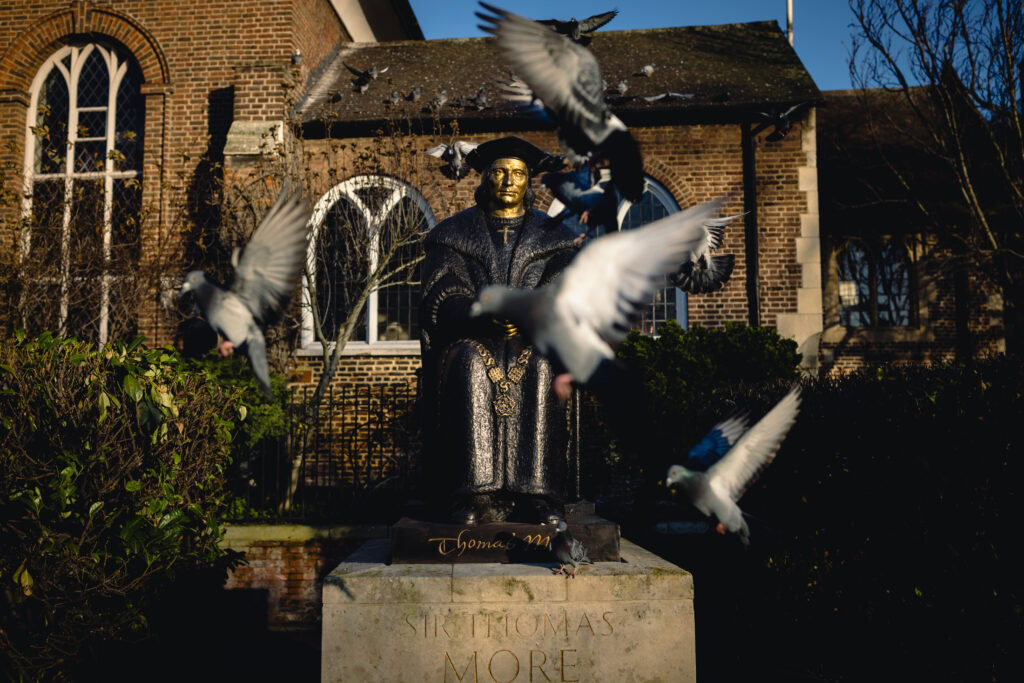
The statue of Sir Thomas More which sits outside the Church, is by L. Cubitt Bevis and was erected in 1969. Roper’s Garden, across Old Church Street from the west door, is believed to have been part of the garden of More’s estate in Chelsea. More’s fondness for animals is an interesting and curious peculiarity. Erasmus tells us that watching their growth, development, and dispositions, was one of his chief pleasures.
“At Chelsea may be seen many varieties of birds, and an ape, a fox, a weasel, and a ferret.”
More’s Life and Times
1478 Born to a London lawyer. Goes on to Oxford, qualifies as a lawyer.
1510 Becomes an under-sheriff of London, then enters Henry VIII’s service as speechwriter, interpreter and adviser.
1515 Shapes tyrannical reputation of Richard III with a biography and a year later publishes Utopia.
1521 Knighted. Becomes Speaker of the House of Commons two years later.
1529 As Henry decides to divorce and break with Rome, More takes the lord chancellor’s great seal from Cardinal Wolsey.
1534 Arrested for refusing to repudiate the pope. Tried for treason and executed on Tower Hill the following July.
1935 Canonised, along with John Fisher, by Pope Pius XI.
“Through Many Eyes”, a book of 25 sermons in honour of More

Published in 1978 by former vicar Leighton Thomson, this is a book of 25 sermons, starting in 1954, preached in Chelsea Old Church in honour of Thomas More, on the anniversary of his birth. Preachers ranged from the Archbishop of Canterbury, through Professors of Theology and Ecclesiastical History to Bishops and Deans.
Gallery of images associated with More
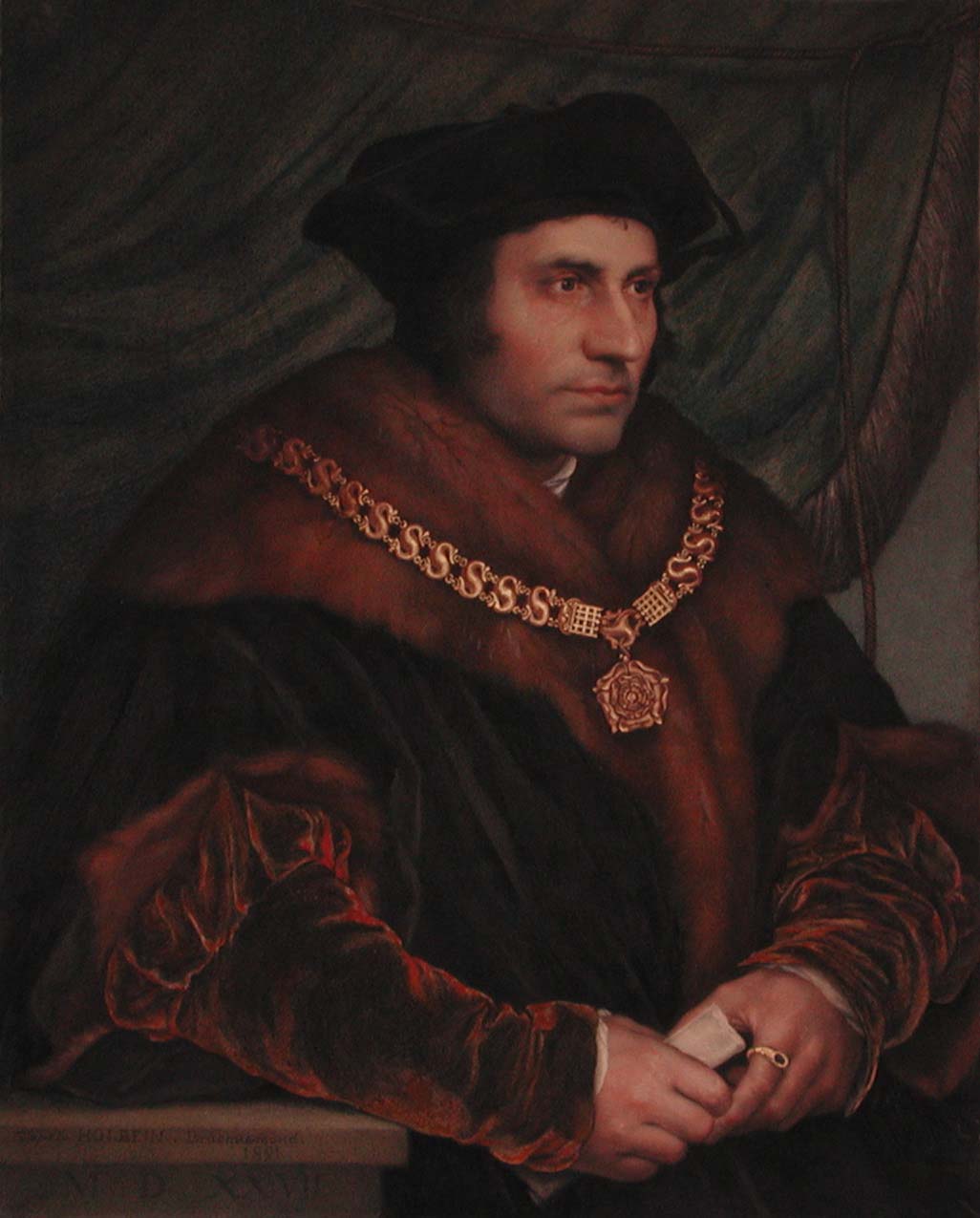
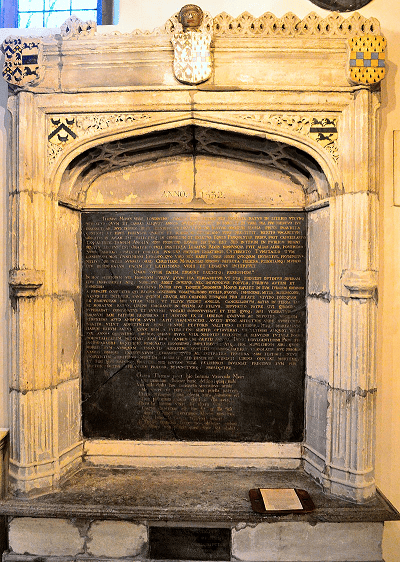
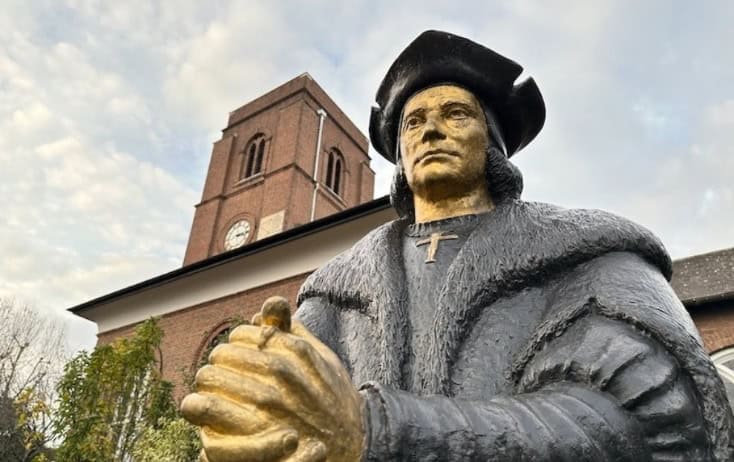


More’s Home
Beaufort House, built by More, drawn by Kip with the hills of Kensington on the skyline, 1708 (RBKC Libraries)

You may be interested in More’s monuments and the guided tour