 Main Menu
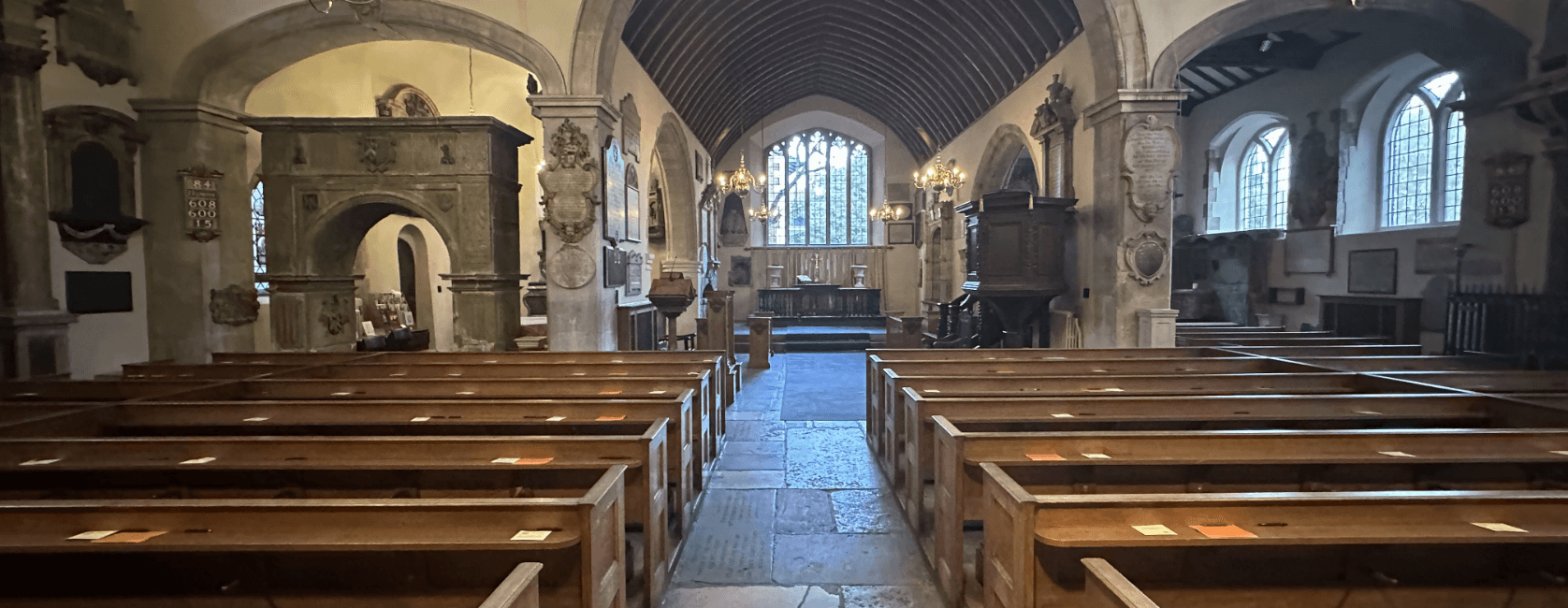
A church has probably stood on this site ever since Christianity came to England, several hundred years after Christ. The Domesday Book records a church here in the 11th century, and a papal taxation document shows a church stood here in 1290. Old Church was the parish church of the Village of Chelsea before the village became part of London.
The wealth of monuments we have is extraordinary for a parish church. They range from:
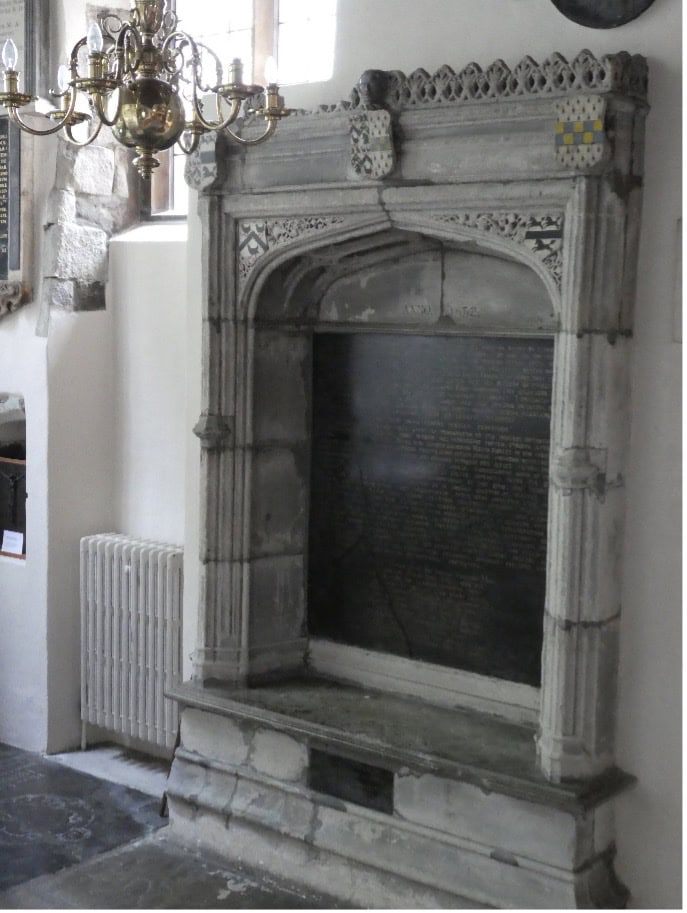
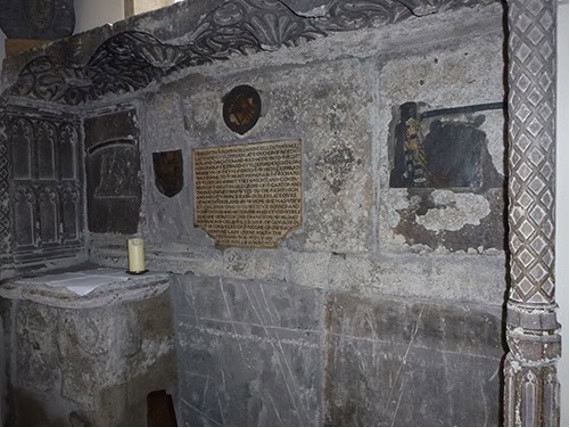
- the oldest, 1532, for Thomas More’s two wives
- Jane Dudley, mother-in-law to Lady Jane Grey, the “Nine-day Queen’
- a Bernini studio-designed sculpture for Lady Jane Cheyne
- Leon Goossens, a star oboe player
- Thomas Hurd: the Hurd Peninsula is named after him due to his role in the discovery of Antarctica
- Carew Thomas Elers who married Meri Ihaia Whakamairu, the daughter of a Maori chief in New Zealand
- Mary Astell, one of the first English women to advocate the idea that women were just as rational as men and just as deserving of education
- William Frend De Morgan, an English potter, tile designer and novelist
- the five fire watchers killed during the Blitz when the church was bombed.
“When I read the several dates of the tombs, of some that died yesterday, and some six hundred years ago, I consider that great day when we shall all of us be contemporaries and make our appearance together.” T. Faulkner, 1829
The monuments were badly damaged by the 1941 bombing, but thanks to the zeal of the architect, Mr. W. Godfrey, they were mostly saved and restored. Among those commemorating the great families and parishioners who lived in Chelsea are:
Stanley
This monument is located in Lawrence chapel, in the east wall. It shows Sir Robert Stanley, who died in 1632 aged 24, and his two infant children Ferdinando and Henrietta Maria. Born in Hackney in 1608, he was the second son of William Stanley, 6th Earl of Derby, who lived circa 1561-1642, and Lady Elizabeth de Vere. Lady Elizabeth was by her line a direct descendant of Henry VII. Sir Robert was married to Elizabeth Gorges, who died in 1675, daughter of Sir Arthur Gorges, whose monument is in the north west corner of the More Chapel, and Lady Elizabeth Clinton.
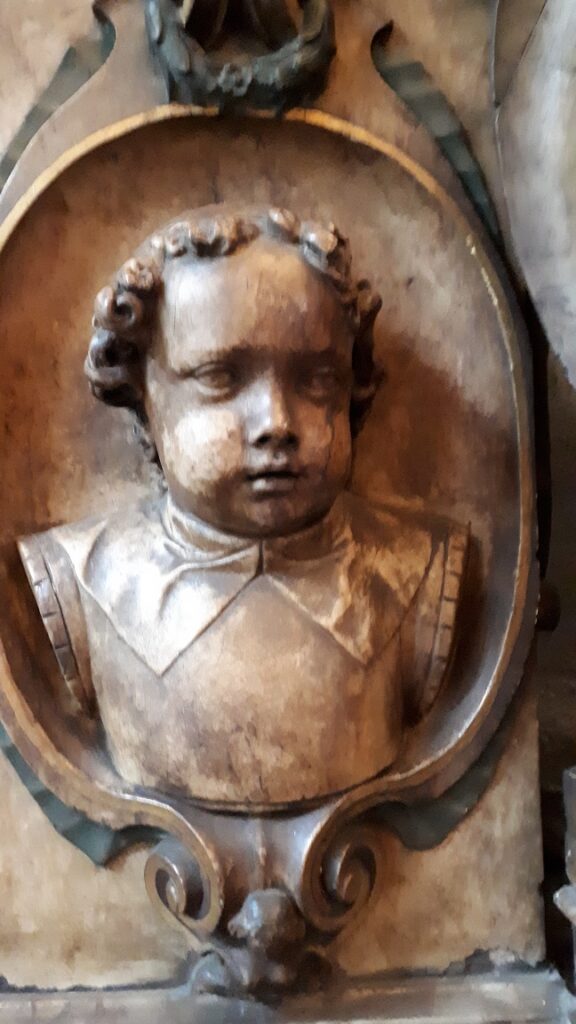


The Stanley badge, an eagle preying upon a child, had its origins in the story of an ancestor, who was supposedly childless. As an elderly father he arranged for his illegitimate child to be placed in an eagle’s nest and “discovered” by a faithful retainer, allowing him to adopt the child without having to acknowledge paternity.
Cheyne
Lady Jane Cavendish was brought up at Wellbeck which housed a Royalist garrison during the Civil War. Her father and brothers were driven out by Parliamentarian troops and Jane and her sister were left in charge during the siege of Wellbeck. They were captured and held prisoner, suffering rough treatment. Despite this, Jane begged for the life of her jailer when he was later condemned to death.
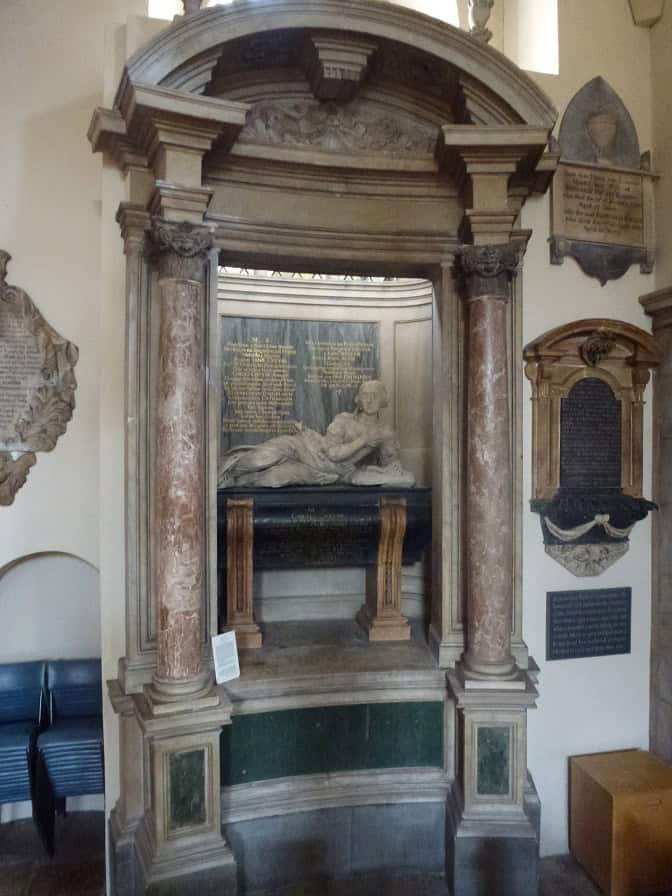

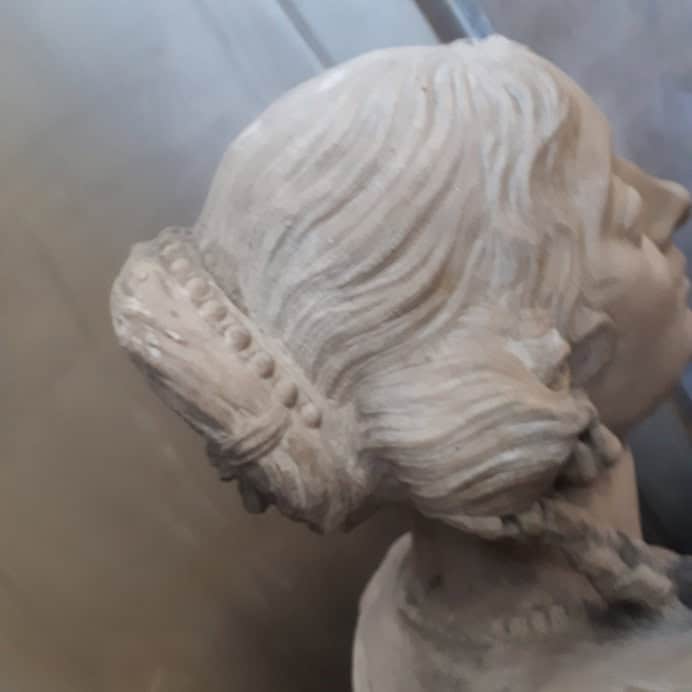
The monument was designed in 1672 by Pietro Bernini, son of the great sculptor and architect. The effigy was carved by Antonio Raggi from a “draught of the face” which had been sent to him.
Dacre
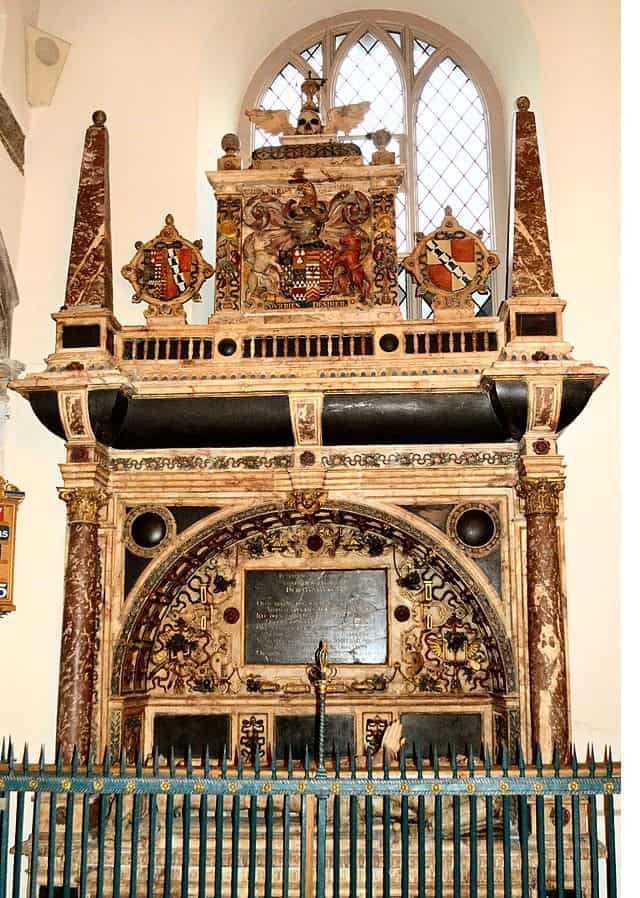
On the south side is the Dacre Monument, 1595, commemorating Gregory Fiennes, 10th Baron Dacre, and his wife Ann Sackville, who inherited the Chelsea properties of Sir Thomas More and founded the Emanuel Charity which now helps to support Emanuel School in Battersea. The monument was recently cleaned, conserved and restored.

Northumberland
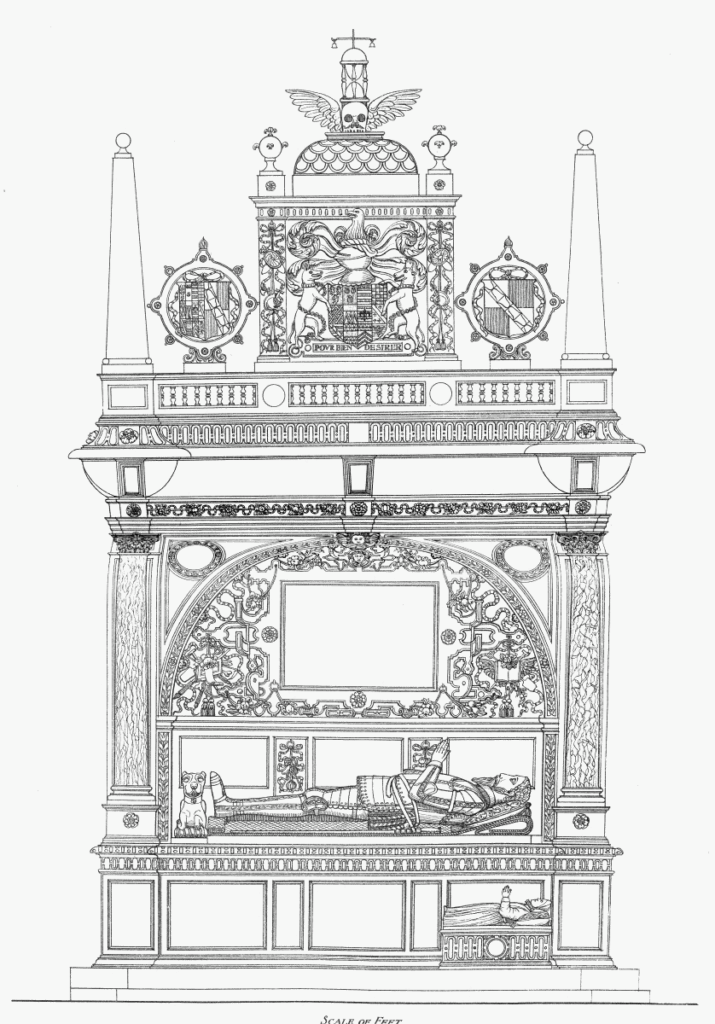
The drawing below shows part of the tomb for Jane Guildford, Duchess of Northumberland, and closely resembles that of Chaucer’s in Westminster Abbey, shown in the photograph below, erected by Brigham in 1556. The Northumberland’s altar section was removed to gain more space in the More Chapel for extra pews to increase the pew rents.


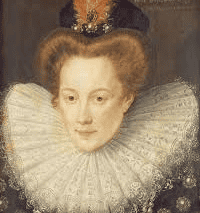
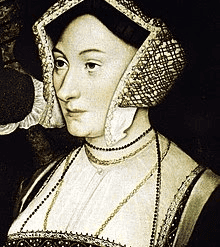
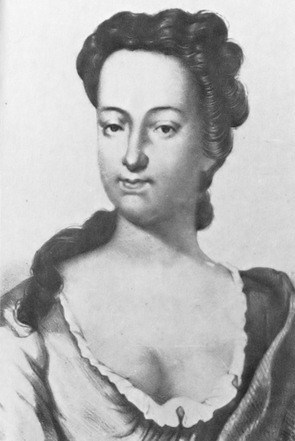
Margaret Roper, Magdalen Herbert, Mary Astell, Elizabeth Blackwell.
Carved by Mary Gillick, installed 1935
Margaret Roper, née More, 1505–1544, was an English writer and translator, she was the first non-royal woman to publish a book she had translated into English.
Magdalen Herbert, who died in 1627, was an intimate friend of John Donne’s and mother of the poets Sir Edward Herbert and George Herbert.
Mary Astell, 1666–1731, was one of the first English women to advocate the idea that women were as rational as men, and as deserving of education. She founded a charity school for girls in Chelsea. There is no definitive portrait of her.
Elizabeth Blackwell, who died in 1758, made a significant contribution to medical knowledge and to the art of botanical illustration. Her multi-volume work, A Curious Herbal, published in the 1730s, was an invaluable resource for doctors and apothecaries in the 18th century and beyond, and is one of the earliest botanical books by a woman.
Sir Hans Sloane
Sir Hans Sloane, 1660-1753, bought Henry VIII’s manor house and later More’s house, but it was not until 30 years later that he made Chelsea Place his home. He was buried at Chelsea Old Church; his wife had died nearly 30 years earlier so the monument erected in 1763 in memory of Sir Hans also included his wife. It stands in the south east corner of the churchyard.
The British Museum Friends had a plaque placed in the chancel in 2003 in his memory.
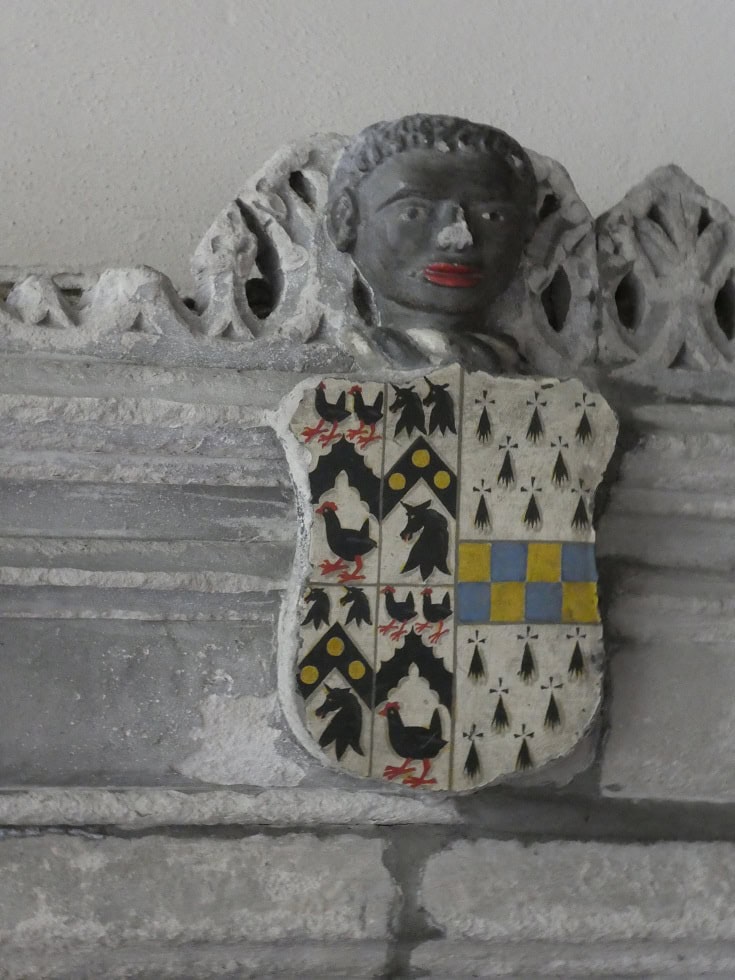
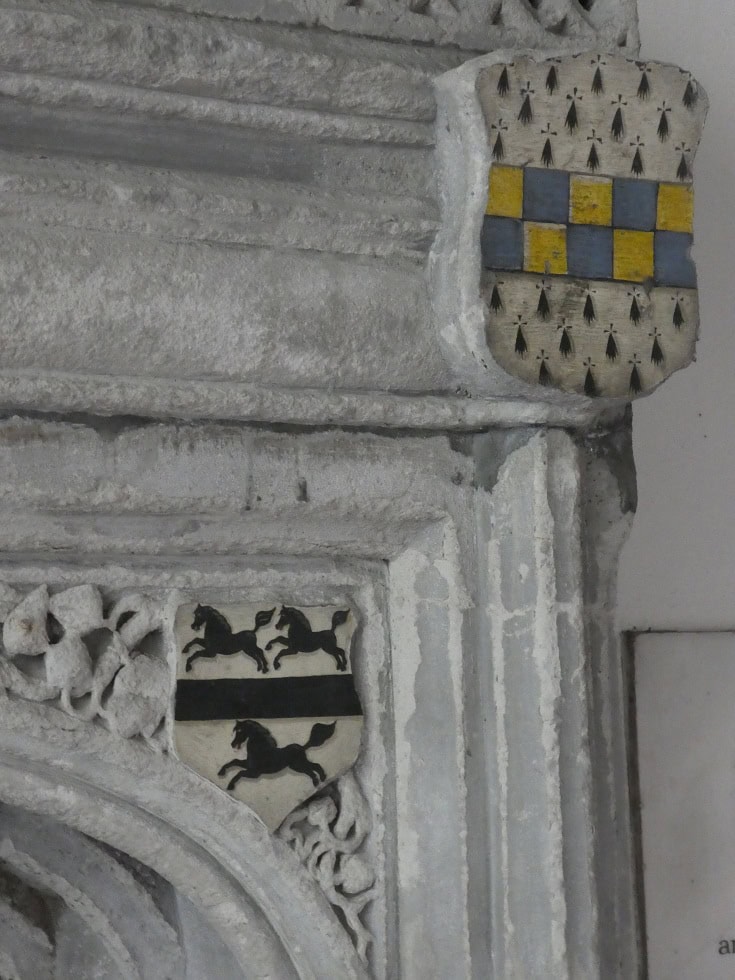
The More Coats of Arms
The coats of arms on the monument to More’s two wives includes four coats of arms that include moorcocks and colts, a play on their surnames: his, More, and his first wife’s, Jane Colt. The curtain behind the altar in the More Chapel is embroidered with moorcocks.

Further reading
• A description of Old Church, the fittings, heraldry and monuments including those in the churchyard before their removal can be found at British History Online and the Survey of London (1924)
• There are also nearly 100 photos of the Church and monuments from around 1921 at British History Online
• A detailed description of the day the bomb hit in 1941 and the reconstruction of the Church can be found on A London Inheritance
• An excerpt from ‘The Winter of The Bombs The Story of The Blitz of London’ by Constantine Fitzgibbon describes the night in detail.